




loading count
loading pagination
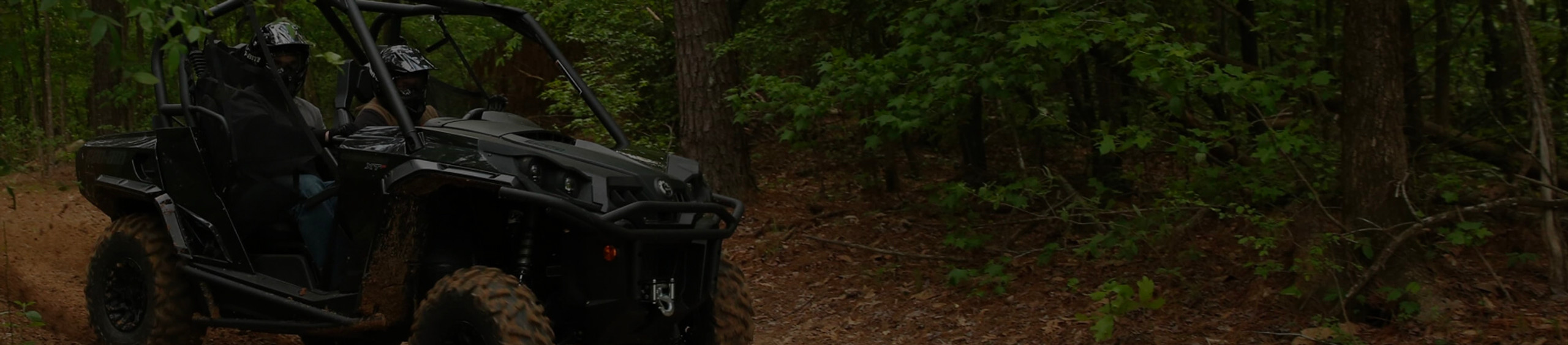
Stock brake pads are quiet, affordable, and good enough under more casual riding conditions, but when it gets dusty? Problem. All that dust acts like sandpaper, wearing down your stock pads super quickly and taking the oomph out of your braking power before you know it. If you’re feeling a bit “mushy” already, then aftermarket side-by-side brakes might be just the game changer you need.
Go with a fresh set of sintered metallic pads, and especially if it’s your first set, your mind will be blown by the major upgrade in stopping power. Full disclosure, they may squeal a bit on you, but for many, this is a paltry price to pay for majorly upgraded stopping power. If you frequently find yourself in mud or water crossings, sintered pads are all but mandatory. They recover from water exposure virtually instantly, which can make or break your ride depending on the circumstances.
We’re more than willing to give credit to stock when credit is due, but we’re also not going to sugar-coat it: stock UTV parking brakes are usually pretty terrible. We certainly don’t trust them on steep inclines, and frankly, you shouldn’t either. They lose their tension over time, thanks to cheap springs, poor cable tension systems, or corner-cutting designs.
Heavy-duty parking brake upgrades, on the other hand, tackle all of these pain points with more robust springs that can hold the right amount of tension for much longer, improved cable routing that significantly cuts down on friction and binding, and better mounting hardware that doesn’t allow the system to loosen up over time. The rub, however, is that even a high-quality aftermarket UTV parking brake is only as good as its maintenance. If you’re not holding the way you should be, check if an adjustment is needed before jumping to replacement.
The main factor that should determine what type of aftermarket UTV brake pad you need has to do with where and how you ride. If you find yourself shredding dusty trails often, sintered metallic pads are probably the best pick. They can handle all that abrasion and still do their job without faltering.
Mud riders also want to go with sintered pads. When you’re constantly getting those brakes soaked in water, you want something that can recover quickly. If you’re more of a casual weekend rider, you can get along just fine with quality organic or semi-metallic pads. They tend to be quieter, generate less dust, and take it easier on your rotors.
What’s the best pad replacement frequency?
Are you going all-out in dirty environments, or tooling along more comfortably? On the more aggressive (and dusty) end of the spectrum, you might want to replace your pads every fifty to a hundred hours. Double that for more casual riders.
Can I run multiple different UTV brake pads on the same vehicle?
We definitely don’t recommend doing this because the brakes will “grab” at different rates and make your braking experience feel clunky.
What’s with the squealing?
A limited degree of squealing is actually normal, and even expected when first swapping in sintered pads. If it’s excessive, though, you might need to go back in and bed your pads in properly.