




loading count
loading pagination
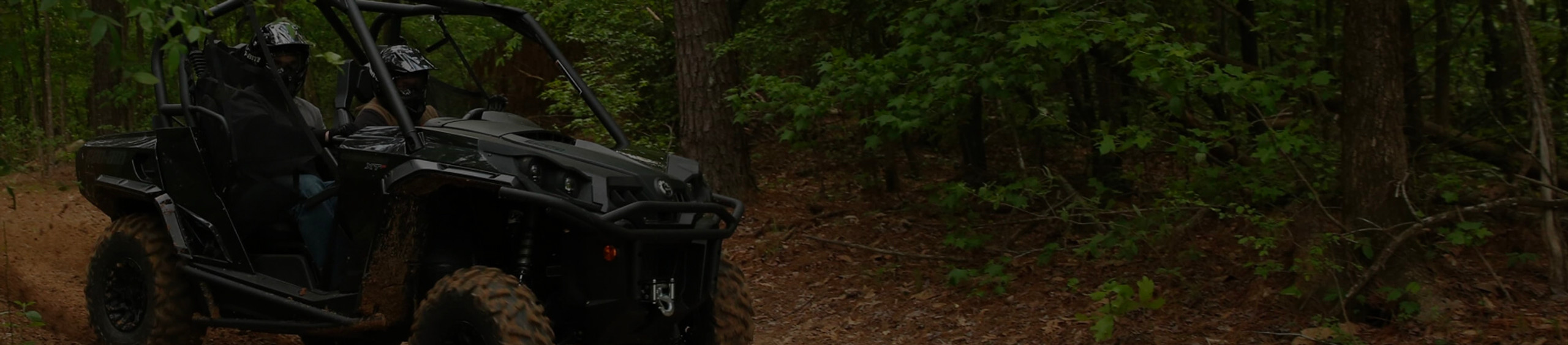
Your approach depends on what equipment your machine already has and your state's requirements. Complete street legal kits bundle everything commonly required—turn signals (front and rear with wiring and dashboard switch/indicator), horn with mounting bracket and wiring, mirrors, and sometimes additional lighting or reflectors. They provide one-stop shopping, eliminating guesswork about compatibility. Kits range from basic systems ($200-400) to premium plug-and-play designs ($500-800+) with model-specific wiring integration.
Plug-and-play kits for specific makes/models use connectors matching factory wiring, simplifying installation dramatically—no wire cutting or splicing required, reducing installation time from hours to maybe 30-60 minutes. They're worth premium pricing if available for your machine. Universal kits work across multiple machines but require wire splicing and routing—more installation work, but lower cost and broader compatibility.
Individual components make sense when you already have some required equipment (maybe factory mirrors ora horn) and just need to add the missing pieces. If you’re going full DIY, just make sure to prepare for electrical work along with your run-of-the-mill installation steps.
Turn signals are mandatory in virtually all street-legal conversions, but integrating them properly requires electrical work. Self-contained turn signal systems include their own flasher relay, wiring harness, switch, and dashboard indicator—they're complete systems requiring only power and ground connections to your battery. Installation involves mounting lights, routing wiring, mounting switch/indicator on the dash, and connecting power. These are most common in universal kits.
Integrated systems (for machines with factory turn signal provisions or compatible wiring) tap into existing circuits, potentially using factory switches and indicators if equipped. They require less installation but are model-specific. Load equalizer or resistor requirements: LED turn signals (standard in modern kits due to efficiency and longevity) draw less current than incandescent bulbs. Without load equalizers, turn signals might hyper-flash (flash too quickly) because flasher relays detect low current as bulb failures. Quality LED turn signal kits include proper flasher relays or load equalizers, preventing this.
Wiring routing requires protecting wires from heat, abrasion, and pinching—use proper wire looms, tie routing away from hot exhaust and moving suspension, and secure with zip ties or mounting clips. Switch and indicator placement: position the turn signal switch conveniently on the dash or handlebars, and place the indicator where visible while driving without being distracting.
Just because you bought a turn signal kit or a set of mirrors doesn’t automatically mean these items qualify for street legal status. They still need to meet Department of Transportation standards.
To provide some examples of what this looks like per part, your headlights will need to be within a specific range of brightness and beam pattern. Turn signal standards in many jurisdictions include a certain flash rate and details on how the controls are positioned in your vehicle as well. When you’re setting up street-legal UTV mirrors, understand that you will likely need to have a minimum reflective surface area of so many inches. Finally, your horn may need to be above a certain threshold (but not too loud) to qualify.
Are you going to have every piece of equipment inspected every time you ride on the street? No. Does that exempt you from keeping up on all these standards? Most certainly not!
Can all UTVs be made street legal?
Most, but not all, makes and models of UTVs can be adapted with the right equipment to meet street legal requirements. By checking with your state before investing in any hardware, you can confirm your vehicle’s eligibility as well as what you actually need to get there.
Will street-legal modifications void my warranty?
Potentially yes, depending on modifications and manufacturer policies. Electrical modifications (adding turn signals, horns, lights) that tap into factory wiring might void electrical system warranty coverage. Manufacturers vary—some are tolerant of basic street legal equipment, others void warranties aggressively for any modifications.
Do I need insurance to operate my street-legal UTV on public roads?
Almost certainly yes—virtually all jurisdictions requiring registration for street use also mandate liability insurance minimum. You can expect to be lumped in with motorcycle or car/truck drivers when it comes to the minimum legal requirements you will have to meet. Specialized UTV insurance or motorcycle insurance typically provides the coverage you need, but always check the coverage against your state’s requirements to make sure.