




loading count
loading pagination
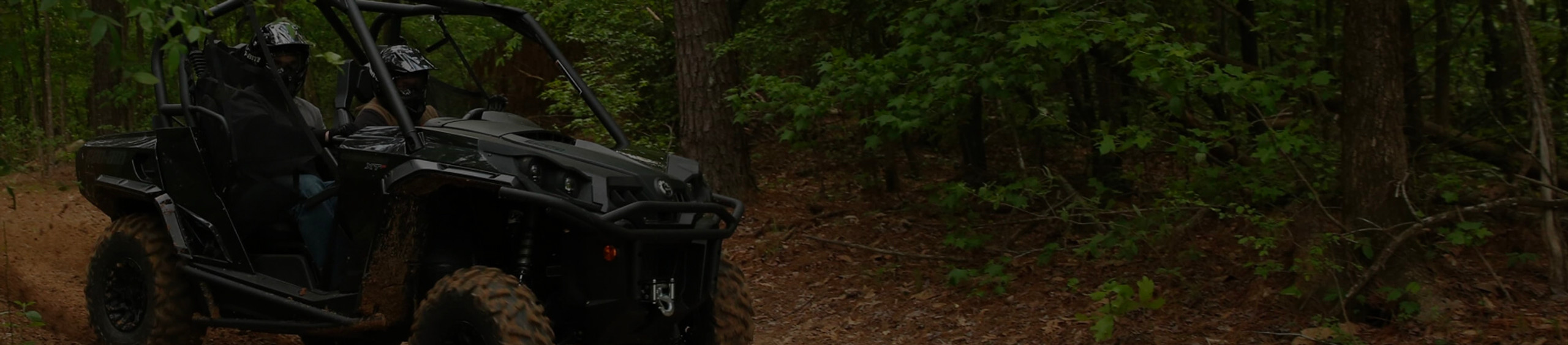
Here is the easiest upgrade you will ever do to your side by side: order a complete tire and wheel kit, open the box, and bolt it on. That is the whole job. Every kit on this page ships professionally mounted, balanced, aired up and ready to install — four wheels, four tires, matched to fit your machine, done for you before it ever leaves our shop. No hauling loose tires and wheels to a shop with a mounting machine, no fighting a bead in the garage, no mounting-and-balancing bill on top of what you already paid. Just unbox, bolt on, torque them down, and go ride.
A tire-and-wheel kit is also the smart way to buy, because the hard part — matching the right tire to the right wheel and both to your machine — is already done. We pair proven tires and wheels into complete sets for every make and model, then mount and balance them so they arrive trail-ready. Fitment still starts with your machine, so pick your year, make and model in the vehicle selector at the top of the page and the catalog filters to kits that bolt on. Not sure which kit is right? Call (414) 219-0509, text 920-644-5280, or hit the live chat, and a real UTV person will match a kit to your machine and your riding before you spend a dollar.
When people buy a tire and a wheel separately, they forget there is a step in the middle: someone has to press that tire onto that wheel with a mounting machine, seat the bead with a burst of air, and spin-balance the assembly so it does not shake at speed. That step costs money, costs a trip, and — if a shop is careless with your brand-new wheels — can cost you a scratched finish before you ever ride. A pre-mounted kit erases all of it. Here is exactly what "pre-mounted" includes and what it saves.
| Step | Pre-Mounted Kit | Buying Separate |
|---|---|---|
| Match tire to wheel | Done for you — proven, correct pairings | You research size, width and fitment yourself |
| Match both to your machine | Done — bolt pattern and fit confirmed | You verify bolt pattern and offset |
| Mounting | Professionally mounted at our shop | Haul to a tire shop or wrestle it yourself |
| Bead seating | Seated and aired up for you | Your problem — and beads can fight back |
| Balancing | Spin-balanced before shipping | Another shop service, another fee |
| Extra fees | None — it's in the kit | Roughly $15–$30 per wheel to mount & balance |
| Your job at home | Bolt on and torque — about 20 minutes | Multiple trips, waiting, then install |
The bottom line: on a set of four, professional mounting and balancing at a shop typically runs $60 to $120, plus your time and a trip across town — and that is before anyone touches your new wheels with their tools. A pre-mounted kit rolls all of that into one box that shows up ready to install. You are not paying extra for the convenience; you are skipping the fees the separate route adds. And if you would still rather mount them yourself or use your own shop, that option is always open — a kit just takes the step off your plate.
Choosing a kit is the same two decisions as buying tires and wheels, only we have already paired them. Nail these three and you are set.
Pick the kit whose tire suits the ground you ride most — all-terrain for mixed riding, mud for the swamp and food plots, sand paddles for the dunes, hardpack/sport for trail speed. We build kits across all of them. For the full breakdown of tire types and what each is great (and bad) at, see the UTV tires buyer's guide.
Kits come with sport, cast and beadlock wheels. If you air down for mud or rock, choose a beadlock kit so the tire cannot unseat at low pressure; for everyday trail and work, a standard sport or cast wheel rides lighter for less. The full beadlock-vs-standard and construction breakdown lives on the UTV wheels buyer's guide.
This is the one that has to be exact. The kit's bolt pattern (4/110, 4/137, 4/156 and so on) must match your machine, and the diameter and offset need to clear your body and suspension. Every kit is built to a specific fitment — use the vehicle selector to filter to kits that fit your year, make and model, or text us your machine and we will confirm before you order. Going bigger than stock? A larger-tire kit may want a lift, spacers or a clutch kit, exactly as covered on the tires page — ask and we will spec the whole setup.
Installation is the easy part, and it is the same on every machine. You will need a lug wrench or impact and a torque wrench.
Set your tire pressure to suit your riding before you head out — lower for grip and flotation, higher for load and hardpack, and never past the tire's stamped maximum.
The complete kits our riders reach for most, across terrain, style and machine. Every one ships mounted, balanced and ready to bolt on.
See every kit on this page, or filter by your year, make and model in the vehicle selector to see only the kits that fit your machine. Want a pairing we do not list? Tell us the tire and wheel you want and we will build and mount a custom kit.
Are these kits really ready to bolt on?
Yes. Every kit ships with the tires professionally mounted to the wheels, the beads seated, the assemblies spin-balanced, and the air set. All you do is bolt them to your machine and torque the lug nuts. No tire shop, no mounting machine, no bead fight.
Do I need to have them balanced or mounted anywhere?
No — mounting and balancing are already done. That is the entire point of a pre-mounted kit, and it saves you the roughly $60 to $120 a shop charges to mount and balance a set of four, plus the trip.
Do I still need to do anything after they arrive?
Just install them: bolt each wheel on, torque the lug nuts to your machine's spec in a star pattern, and re-torque after your first ride. Set your tire pressure for your terrain and you are done. Beadlock kits ship with the rings torqued; give them a quick check before the first ride.
What if I want to use my own wheels or mount them myself?
You can, and it is a perfectly good option — plenty of riders buy the tire and wheel separately and mount them at home or at a local shop. A pre-mounted kit simply takes that step off your plate. Shop parts individually on the tires and wheels pages if you would rather do it yourself.
Will a kit fit my exact machine?
Each kit is built to a specific bolt pattern and fitment. Use the vehicle selector to filter to kits that fit your year, make and model, or send us your machine and we will confirm before you order. Getting the bolt pattern and offset right is the one thing that has to be exact.
Might a kit need re-balancing after shipping?
Our kits are balanced before they leave and that holds through shipping the large majority of the time. If you feel a vibration at speed after installing, a quick balance check at any shop sorts it — but it is the exception, not the rule.
Can I run a different tire size front and rear?
Same size front and rear is standard and keeps handling and speedometer accuracy correct. Some sport and sand setups intentionally run a staggered front-and-rear size — it is advanced tuning, so ask us and we will build a staggered kit that works for your machine.
Can I go bigger than stock with a kit?
Often yes, usually one size over stock with no changes; bigger jumps may need a lift, wheel spacers or a clutch kit to clear and keep the power right. Tell us how big you want to go and we will spec the kit and any supporting parts together.
We have been the premier online seller of aftermarket UTV parts since 2010, and our ownership team carries well over 100 years of combined powersports experience. Since 2010 we have served more than 1 million powersports customers, mounting and shipping trail-ready kits out of Appleton, Wisconsin with real USA-based service. We build kits from the brands we would run ourselves, mount and balance them in-house, and match the fitment to your machine so it bolts right on. Every order is backed by a 90-day return policy and a best-price guarantee, shipping is free over $250, and Affirm is available at checkout so you can spread out a full kit. Our vehicle selector filters the whole catalog to your exact year, make and model, so you never buy a kit that does not fit. Not sure? Text us at 920-644-5280 and a real rider will help you choose before you spend a dollar.