




loading count
loading pagination
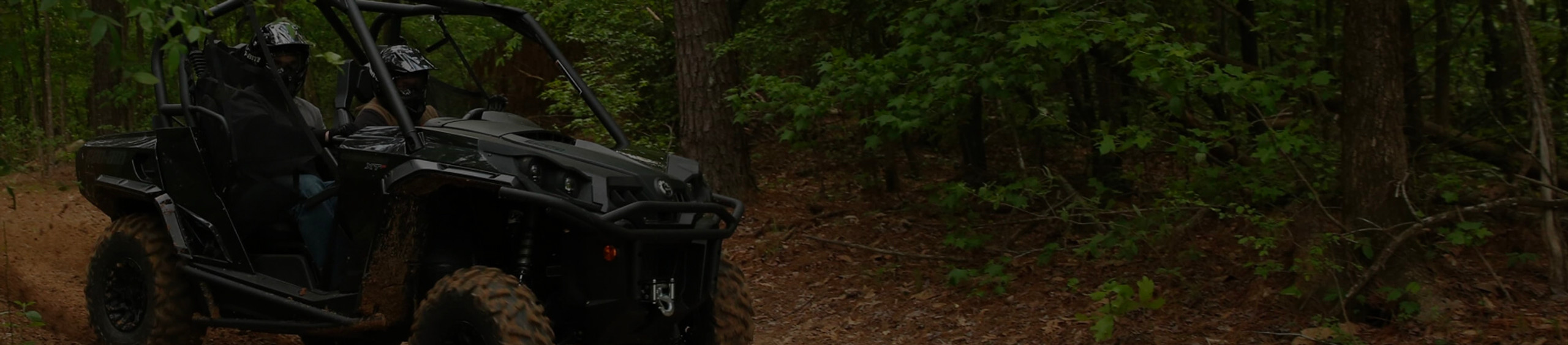
The tire is the only part of your side by side that ever touches the ground. It decides whether you crawl the rock garden or slide off it, float over the mud or pack solid and stop, come home with a full bed or come home on a strap. Stock UTV tires get you off the lot and not much further, because the factory fits a soft, shallow, all-purpose tire built to a price. Aftermarket tires are built to a job, and matching the right tire to your terrain is the single biggest performance upgrade you can bolt to your machine. Side By Side Source stocks that tire deep, for every make and every kind of ground, from a $100 utility tire to a race-proven mud slayer.
We carry UTV and side-by-side tires across every terrain there is: all-terrain, mud, sand, rock crawling, hardpack and trail, snow, and desert race. Every major brand a serious rider asks for is here, led by Maxxis, Tusk, ITP, QuadBoss and SuperATV, in rim diameters from 8 to 24 inches and heights from 20 all the way past 35. Fitment starts with your machine, so pick your year, make and model in the vehicle selector at the top of the page and the catalog filters to tires that actually fit. Not sure what you need? Call (414) 219-0509, text 920-644-5280, or hit the live chat, and a real UTV person will spec a set to your machine, your wheels and your riding before you spend a dollar.
This is the most complete UTV tire guide we know how to write, because tires are the one upgrade people get wrong most often and regret longest. Read the parts that apply to you. It moves in the order you actually decide: how a tire is built (bias vs radial and ply), what tread matches your ground, how to size it so it fits, and what it will carry. Every section names real tires you can shop on this page.
Every UTV tire is one of two constructions, and the difference is not marketing — it changes how the tire rides, wears, carries load and shrugs off damage. Underneath the tread, a tire is layers of cord (the "plies") set into the rubber. Bias-ply tires run those cords diagonally, crisscrossing from bead to bead at an angle. Radial tires run the cords straight across, at ninety degrees to the direction of travel, usually with stabilizing belts under the tread. That one change in cord angle is the whole story.
| Bias-Ply | Radial | |
|---|---|---|
| Cord layout | Diagonal, crisscrossed bead to bead | Straight across (90°) with belts under the tread |
| Ride quality | Stiffer, firmer, more feedback | Smoother, absorbs chop, calmer at speed |
| Sidewall | Stiff and strong — great for heavy loads and rock pokes | More flexible — wraps rocks for grip, flexes for comfort |
| Tread wear | Wears faster, can cup on pavement | Wears slower and more evenly, runs cooler |
| Handling at speed | Wanders a little, more effort | Tracks straight, planted, sharper steering |
| Price | Lower — the value choice | Higher — you pay for the construction |
| Best for | Work machines, heavy hauling, budget builds, rock-poke resistance | Trail miles, higher speeds, daily comfort, even long-term wear |
| Shop it | QuadBoss QBT447, Sedona Coyote, Moose utility tires | Tusk Terrabite, Maxxis Bighorn Radial, Maxxis Carnivore |
The plain-English call: if most of your miles are trail, gravel and getting there comfortably, or you run any speed, buy radial — it is why the Tusk Terrabite and Maxxis Bighorn radials are two of the best-selling UTV tires on the market. If you run a work machine hard, haul heavy, or beat your tires on sharp rock and stumps, a stiff bias-ply sidewall takes abuse for less money. Neither is "better." They are built for different jobs.
Here is the thing nobody tells first-time buyers: a "6-ply" UTV tire almost never has six actual layers of cord. Decades ago it did, but today ply rating is a strength-and-stiffness label, not a literal layer count. A modern "8-ply-rated" tire might use two or three plies of much stronger material and carry the load an old 8-ply did. What the number tells you is how tough the tire is: higher rating means a stronger carcass, a stiffer sidewall, more puncture and load resistance — and a little more weight and a firmer ride.
| Ply rating | Toughness | Best for | Trade-off |
|---|---|---|---|
| 2-ply | Light | Youth machines, sand tires where light weight is the point | Punctures easily off-sand — not for rock or trail work |
| 4-ply | Light-medium | Smooth trail, hardpack, budget recreation | Thin sidewall, not for loads or sharp terrain |
| 6-ply | Medium — the popular default | Most trail and all-terrain riders; the everyday sweet spot | Fine for the majority; not maximum puncture resistance |
| 8-ply | Heavy-duty | Work machines, hauling, rock, loaded beds, most serious builds | Heavier, firmer ride, costs more |
| 10-ply | Maximum | Ranch and commercial abuse, heavy loads, worst rock and stump terrain | Heaviest, most rotating mass, premium price |
Most riders are right at home on a quality 6-ply. Step to 8-ply like the Tusk Trilobite or a Maxxis Carnivore if you haul, plow, crawl rock or simply want to stop worrying about sidewall pokes. Go 10-ply, like the Tusk Aramid Terrabite, when the machine is a workhorse and downtime costs you money. One note on rotating mass: every ply and every inch of diameter you add is weight the engine has to spin up, so the toughest tire is not automatically the right tire — match it to the job.
This is the decision that matters most. Tread pattern is what makes a tire brilliant on one surface and useless on another. Lug height, lug spacing and rubber compound are tuned for a specific kind of ground, and the closer you match tread to terrain, the better every ride gets. Here is the full breakdown, with real tires you can shop for each.
| Terrain type | Tread character | Great at | Bad at | Shop these |
|---|---|---|---|---|
| All-Terrain (A/T) | Medium lugs (~0.75–1"), moderate spacing, center ribs for stability | Doing everything acceptably — trail, gravel, farm, light mud, road manners, long wear | Nothing spectacularly; it is the compromise on purpose | Tusk Terrabite, Maxxis Bighorn 2.0/3.0, ITP Coyote, QuadBoss QBT846 |
| Mud | Tall, widely spaced lugs that fling mud instead of packing; often 1.5–2"+ deep | Wet clay, swamp, food plots, deep ruts — bites where A/T tires float | Hardpack and pavement — loud, rough, wears fast, squirms on rock | Maxxis Carnivore, Maxxis Zilla, ITP Cryptid, Tusk Megabite |
| Rock / Rock-Crawling | Sticky soft compound, flexible sidewall that wraps rock, siped blocky lugs | Gripping dry rock and ledges; the sticky compound is the whole trick | Wear life on pavement — soft compound trades longevity for grip | Maxxis Roxxzilla (widely called the best rock-crawling tire made), ITP Tenacity |
| Sand / Dunes | Paddle rears and smooth ribbed fronts; light 2–6 ply to float and throw sand | Dunes and deep loose sand only — nothing else moves like a paddle out there | Literally everything that is not sand — do not trail-ride paddles | SandCraft Slayer/Mohawk sets, CST Sandblast, EFX Sandslinger, ITP UltraCross (desert) |
| Hardpack / Trail / Sport | Shallow, tightly spaced lugs, continuous ribs, lighter weight | Hard trails, desert two-track, high-speed handling, low noise, long wear | Mud (packs solid instantly) and loose terrain | Maxxis Ceros, Maxxis RAZR XT/XTZ, STI Chicane |
| Snow / Winter | Siped tread, softer compound, narrower profile; some accept studs | Snow and ice traction; narrow profile cuts to grip | Aggressive dry-terrain work; a specialty, not an everyday tire | Dedicated snow tires or a siped A/T; ask us for studdable options |
| Desert / Race | Reinforced (often Aramid) carcass, hardened compound for heat and speed | High-speed desert, whooped-out terrain, sharp rock at speed | Price and comfort — built to survive, not to coddle | Maxxis RAZR XT, ITP UltraCross R Spec, Tensor desert series |
UTV tire sizes look like code until you know the three numbers. A size such as 30x10-14 reads as height × width – rim diameter, all in inches:
| Number | What it is | What it controls |
|---|---|---|
| 30 | Overall tire height (diameter), inches | Ground clearance, gearing, speedometer accuracy |
| 10 | Tire width (section width), inches | Stability, flotation, steering effort, rubbing |
| 14 | Rim (wheel) diameter it mounts to, inches | Which wheels it fits — must match your wheel |
The three ways to measure what you have — the same three the pros use: overall height (stand a tape at the tallest point), width (widest point of the tread/sidewall), and rim diameter (the wheel it seats on). Get those three and you can match any tire on this page. Or skip the tape entirely and use the vehicle selector at the top — pick your year, make and model and it filters to sizes that bolt on.
Bigger tires are the most popular UTV upgrade and the one that causes the most surprises. Here is the honest chain of consequences before you size up:
Load rating is the weight each tire is built to carry. It has to cover your machine's weight plus passengers and cargo, divided across four tires — with margin. UTV tires typically carry roughly 600 to 1,200+ pounds per tire depending on size and construction, and a loaded work Ranger or Defender with a full bed and two riders adds up faster than people expect. If you haul, plow or run a heavy cab and accessories, buy the load rating up, not down. When in doubt, send us your machine and your typical load and we will confirm the tire carries it.
Beadlock wheels: a beadlock clamps the tire bead to the wheel with a bolt-on ring so it cannot slip or unseat when you air down. Rock crawlers and racers run low pressure for grip, and a beadlock is what lets them do it without rolling a tire off the rim. If you crawl, race, or air down for flotation, beadlocks are worth it — shop them on the UTV wheels page. DOT / street legal: some UTV tires carry a DOT rating for limited road use and some do not, and UTV road-legal rules still vary by state and county, so check the listing and your local law before you count on riding pavement. Tire pressure: most UTV tires run low, roughly 8 to 20 psi depending on tire, load and terrain — lower for grip and flotation, higher for load and hardpack. Start at the sidewall max for hauling and drop pressure for trail feel, and never exceed the tire's stamped maximum.
We are brand snobs and proud of it — we stock the tires we would bolt to our own machines, not everything with a barcode. These five earn the most of our tire business, and each owns a different corner of the catalog.
No brand covers more ground than Maxxis, and it owns the two extremes riders care about most. The Roxxzilla is widely called the best rock-crawling tire on the market, with a sticky compound and a flexible sidewall built to wrap rock — the tire serious crawlers ask for by name. The Carnivore is an 8-ply-rated, light-truck-inspired radial that eats extreme terrain, and the Bighorn 2.0 and Bighorn 3.0 Radial are legends of the all-terrain world and among the best-selling UTV tires ever made. Add the mud-slinging Zilla, the multi-terrain Liberty, the desert RAZR XT/XTZ and the race-bred Ceros, and Maxxis has a right answer for nearly any rider. Verify /brands/maxxis slug.
Tusk, the house brand from Rocky Mountain ATV/MC, quietly makes some of the best value in powersports, and the Terrabite radial is the proof — an 8-ply do-everything all-terrain tire that farms, hauls and trail-rides on one set, and our single best-selling UTV tire. Step up to the aggressive Megabite radial for more mud bite, the Aramid Terrabite 10-ply when you punish the machine, or the heavy-duty Trilobite 8-ply for work abuse at a work price. Tusk is where you go for 80% of a premium tire's performance at a fraction more than budget rubber. Verify /brands/tusk slug.
ITP has been building off-road tires longer than most of its rivals have existed, and its all-terrain lineup is deep and proven. The Coyote, Terra Claw, Blackwater Evolution and premium Tenacity series cover trail and all-terrain from value to high-performance, the Cryptid is a serious mud tire, and the UltraCross R Spec is a desert favorite. ITP is the name to reach for when you want a dialed-in all-terrain tire from a brand that does nothing else. Verify /brands/itp slug.
QuadBoss carries the deepest tire catalog we stock, built around honest, hard-working utility rubber. The DOT-compliant QBT846 8-ply radial — with a built-in rim guard and a 3/4-inch tread — is the pick when your miles mix dirt and pavement, and the QBT447 is one of the best-value utility tires you can buy, often our lowest entry point into a quality set. If you run a working machine on and off the road and want DOT-rated rubber without a premium badge, start here. Verify /brands/quadboss slug.
SuperATV builds tires the way it builds everything: aggressive and overbuilt for real abuse. The Incursion A/T is a proven do-it-all for the rider who leans hard into the terrain, and the Cliffhanger is a dedicated rock-crawling tire with a soft, grippy compound and a sidewall that wraps ledges — both among our best-selling tires. As one of the anchor brands of the whole side-by-side aftermarket, SuperATV is a name you can trust on the tire as much as on the doors and the lift kit. Verify /brands/superatv slug.
And the deep bench: behind those five we also stock System 3 Offroad, GBC, EFX/MSA, Pro Armor, Sedona, GMZ Race Products, STI, CST and SandCraft — including the exact race-and-sand specialists the mud and dune crowd asks for by name. Confirm which of these SXSS actually carries before publish; add /brands/ links where they exist. Michael flagged wanting the competitor-favorite names — System 3, GBC, OBOR, Tensor — represented; add SKUs/links where GU2G can source them. Browse every tire brand on the UTV brands page.
These are the tires our riders reach for most, spread across terrain and budget so you can find your set fast. Prices are per tire unless noted and reflect the live catalog.
See all 244 tires on this page, or filter by your year, make and model in the vehicle selector and you will see only the tires that fit your machine.
| If you mostly ride… | Best value | Most popular | Premium |
|---|---|---|---|
| Mixed / all-terrain | QuadBoss QBT447 | Tusk Terrabite radial | Maxxis Bighorn 3.0 / Carnivore RT |
| Mud | Maxxis Mud Bug | Tusk Megabite | Maxxis Carnivore / ITP Cryptid |
| Rock crawling | Pro Armor Crawler XG | Maxxis Roxxzilla | Maxxis Roxxzilla sticky compound |
| Sand / dunes | CST Sandblast (front) | EFX Sandslinger | SandCraft Slayer/Mohawk set |
| Hardpack / speed | Sedona Buzz Saw | Maxxis Ceros | Maxxis RAZR XT / ITP UltraCross |
| Work / heavy load | Tusk Trilobite 8-ply | QuadBoss QBT846 DOT radial | Tusk Aramid Terrabite 10-ply |
What are the best UTV tires?
It depends on your ground, so here is the honest three-way answer. The best all-around UTV tire for most riders is the Tusk Terrabite radial or the Maxxis Bighorn — 8-ply all-terrain that does a bit of everything without a weak spot. For deep mud, the Maxxis Carnivore or ITP Cryptid. For rock crawling, the Maxxis Roxxzilla is widely considered the best made. For the best value, the QuadBoss QBT447 covers work and trail for the least money. Tell us where you ride and we will point you to the one.
Bias-ply or radial — which should I buy?
Radial for trail miles, speed, comfort and even wear, which is why most of our best-sellers are radials. Bias-ply for heavy work loads, rock-poke resistance and a lower price. Match the build to the job, not the badge.
How much bigger can I go without other modifications?
The rule of thumb, though it is not iron-clad, is one size over stock with no changes. Go further and expect to trim fenders at a minimum, and often add wheel spacers, a lift kit or a clutch kit to keep clearance and power right. Send us your machine and we will tell you exactly how far you can go.
Will bigger tires hurt my UTV's performance?
Bigger tires raise ground clearance and top speed but soften acceleration, because a taller tire is effectively taller gearing and more rotating mass. On a large jump in size, a clutch kit brings the snap back. Your speedometer will also read slow until you correct it with a GPS source.
What do the ply numbers mean?
Ply rating is a strength label, not a literal layer count. Higher number means a tougher carcass, stiffer sidewall and more load and puncture resistance, at a little more weight. Most riders are happy on 6-ply; step to 8 or 10-ply for work, hauling, rock and abuse.
How long do UTV tires last?
It varies widely by tire, terrain and care. A soft mud or rock tire may only see a thousand-plus miles, while a quality all-terrain radial can run five thousand or more when maintained and rotated. Soft sticky compounds trade life for grip on purpose.
Are UTV tires street legal?
Some carry a DOT rating for limited road use and some do not, and UTV road-legal rules vary by state and county. Check the listing and your local law, and if road miles matter, ask us for the DOT options like the QuadBoss QBT846.
What is a beadlock wheel and do I need one?
A beadlock clamps the tire to the wheel so it cannot slip off when you air down to low pressure for grip. If you rock crawl, race or air down for flotation, beadlocks are worth it; for everyday trail and work riding, a standard wheel is fine.
What tire pressure should I run?
Most UTV tires run low, roughly 8 to 20 psi depending on tire, load and terrain — lower for grip and flotation, higher for hauling and hardpack. Never exceed the maximum stamped on the sidewall.
We have been the premier online seller of aftermarket UTV parts since 2010, and our ownership team carries well over 100 years of combined powersports experience. Since 2010 we have served more than 1 million powersports customers, shipping out of Appleton, Wisconsin with real USA-based service — not a call center. We curate the tire catalog instead of listing everything, so the brands on this page are the ones we would run ourselves. Every order is backed by a 90-day return policy and a best-price guarantee, shipping is free over $250, and Affirm is available at checkout so you can spread out a full tire-and-wheel build. Our vehicle selector filters the whole catalog to your exact year, make and model, so you never buy a tire that does not fit. Not sure? Text us at 920-644-5280 and a real rider will help you choose before you spend a dollar.