




loading count
loading pagination
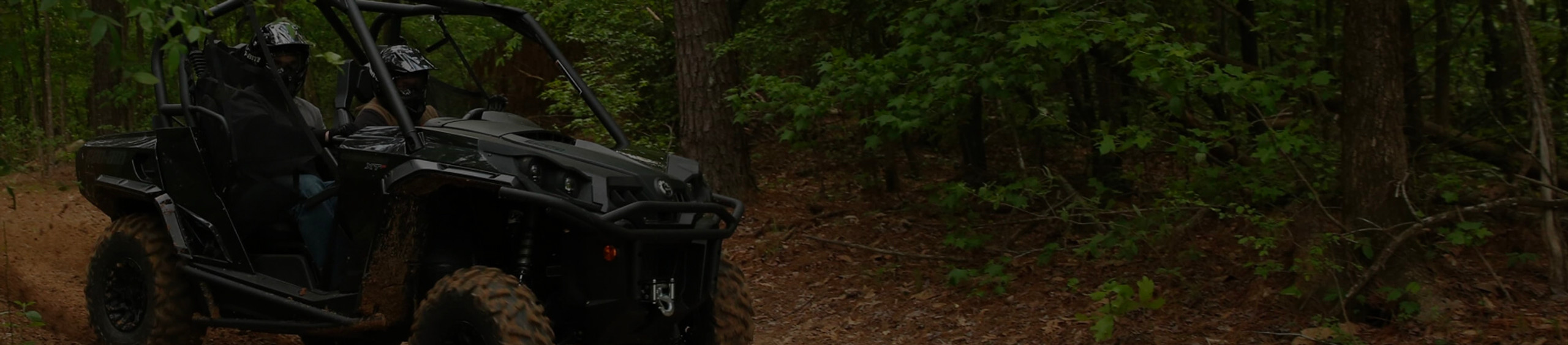
Before you can use farming implements, you need to understand how they attach to your UTV because this fundamentally affects what you can and can't do. 3-point hitch systems mount to your frame and use hydraulics or mechanical linkage to raise and lower implements, just like a tractor. They provide excellent control. You can adjust working depth precisely, raise implements for transport and turns, and they distribute weight across your machine's frame rather than loading up your hitch. The catch is you need to install a 3-point receiver on your UTV (aftermarket kits are available for popular models), which adds cost and requires mounting hardware. Not all implements are available in 3-point configurations for UTVs, either.
Tow-behind implements hook to your rear hitch receiver like a trailer. They're simpler—no special mounting system required beyond a standard 2" receiver hitch—and they work with any UTV that has adequate towing capacity. Most tow-behind implements use their own weight to set working depth, with some offering adjustable depth via pins or cranks. They're generally less expensive than 3-point equivalents and easier to swap between different machines.
Just because an implement may be made for UTVs doesn’t mean it will necessarily work on your machine. Your horsepower will determine what you can pull (efficiently) and operate on tough ground.
A cultipacker loaded with water might weigh 500+ pounds. If your bed capacity is only 600 pounds, you're maxing out your machine just transporting it empty. You can generally handle more weight if you run with a frame-mounted hitch, but you will still have to watch that structural limit.
Many experienced operators run implements one size smaller than their UTV "could" theoretically handle, because the easier operation and reduced wear on the machine more than make up for slightly narrower working width.
Let's break down the most popular UTV farming implements and when you'd actually use each one:
Many farmers and property owners find that just three implements—a disc plow for breaking ground, a drag mat for finishing and maintenance, and a landscape rake for surface work—handle 90% of their needs.
What will I need horsepower-wise?
It depends on what you’re running (what machine and which implements). On the lower end, you may be able to run lighter attachments at around thirty horsepower, but most of the time, you’ll want more.
What about tractor attachments?
That’s a no. Even "compact tractor" implements (designed for 25-40 HP tractors) are often too much for UTVs because they're built heavier than necessary and assume you have hydraulic lift capability.
Do I need any modifications to my UTV to run farming implements?
Some heavy implements benefit from wheel spacers or loaded tires to improve traction and stability. Ag tires (with more aggressive tread than stock) dramatically improve your ability to pull implements through dirt without spinning out. If you're doing serious farm work regularly, upgrading to ag tires is probably the single best modification you can make for implement use.