




loading count
loading pagination
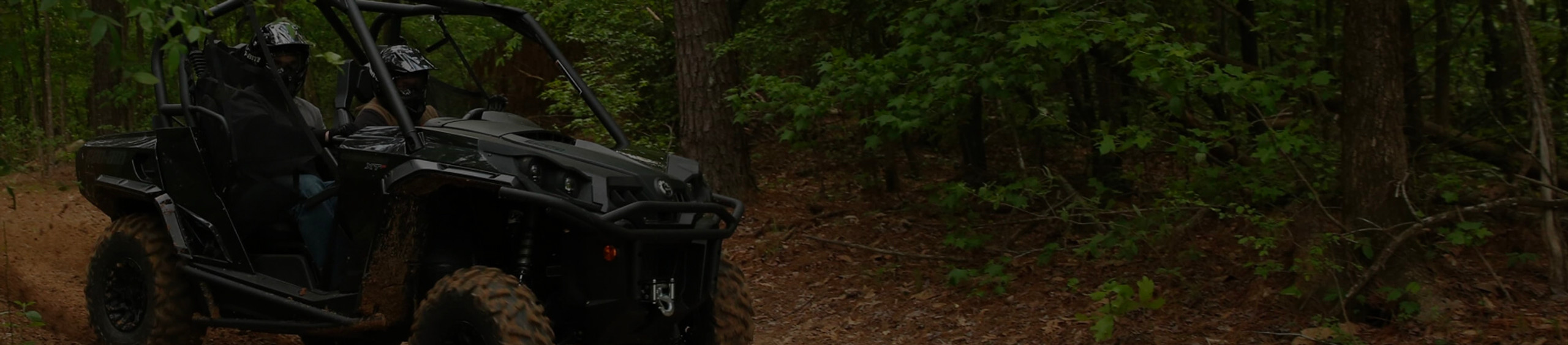
Complete snorkel systems address multiple water ingestion risks. Engine air intake is the most critical. Engines need massive airflow (hundreds of cubic feet per minute at high RPM), and even small amounts of water ingested through the intake cause hydro-locking, where water fills cylinders and prevents piston movement. When the engine tries to compress water (which doesn't compress), connecting rods bend or break, pistons crack, or engine blocks fracture.
CVT intake vents allow air into the CVT cover for cooling and pressure equalization. Stock vents position low, where water enters easily, contaminating CVT components and belts. Water in CVTs causes belt slippage, clutch damage, and corrosion. CVT snorkels prevent this by relocating vents high. They're just as important as engine snorkels for preserving drivetrain function.
Fuel tank vents also need addressing on some machines. Submerging fuel tank vents causes a vacuum that can collapse tanks or allow water ingestion into fuel systems. Complete snorkel systems address all vulnerable vents and intakes, not just the engine. Partial systems that only snorkel engine intake still leave you vulnerable to CVT and differential damage.
Snorkel height determines maximum safe water depth. Standard snorkel kits typically position intakes 6-12 inches above the roofline, allowing water crossings to roof height (roughly 60-70 inches for most UTVs). This handles most trail water crossings and moderate mud riding safely. Extended risers add height—2-4 inch risers are common, allowing deeper water or more margin for waves/splashes in moving water. Extreme builds might stack multiple risers for maximum height, though excessive height creates aerodynamic drag and looks ridiculous for marginal practical benefit.
Realistic water depth limits depend on more than just snorkel height. Your ignition components, ECU, wiring harnesses, and other electrical systems aren't waterproof—submerging these causes failures even if snorkels prevent engine/CVT water damage. Sealed aftermarket electrical boxes help, but completely submerging UTVs (snorkeling or not) risks electrical failures.
Slow crossings required: snorkeled machines aren't submarines. Moving fast through water creates bow waves that exceed snorkel height or force water up intake pipes. Cross water slowly and steadily, avoid creating excessive splashing, and never cross flowing water deep enough that the current could sweep your machine away.
Snorkel installation ranges from straightforward to complex, depending on kit quality and machine configuration. Complete kits include all ducting, clamps, mounting brackets, and hardware needed, with instructions showing exact routing. They're designed to avoid hot exhaust components, moving suspension parts, and pinch points. Installation typically takes 3-6 hours for first-timers.
Universal or partial kits require more fabrication or sourcing additional components—they might include engine intake but not CVT, or provide straight pipes without proper bends requiring custom routing.
In general, make sure to use quality clamps, seal all joints, and test with water (hose or controlled crossing) before tackling serious depths.
Will UTV snorkels void my warranty?
Almost certainly yes for engine, CVT, and drivetrain components. Snorkel installation requires modifying intake systems and routing, which manufacturers consider alterations to emissions and engine management systems.
Can I just snorkel my engine intake, or do I really need to snorkel CVT and differentials too?
For the best protection in deep water, just snorkel everything (seriously!). Engine-only snorkeling leaves you vulnerable to contamination and electrical problems.
How do I maintain my snorkels?
Inspect before and after water riding. Check connection points and look for leaks, holes, or any other damage. Test snorkel integrity annually with controlled water exposure (hose down with engine off) to verify all seals hold before attempting actual crossings where failures strand you.