




loading count
loading pagination
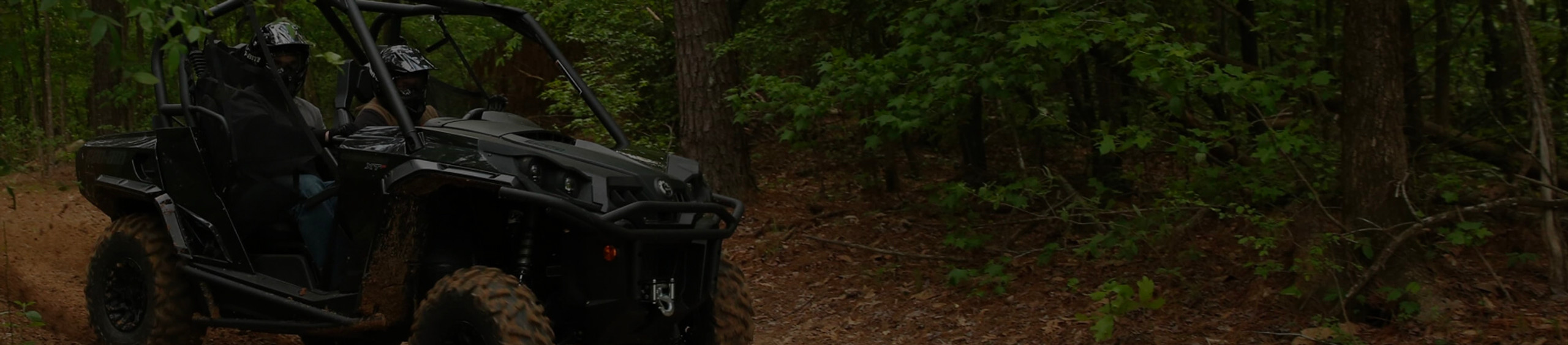
4S1 systems (four-season, single-track configuration per corner) are the standard for UTVs. Each corner gets one track unit, replacing the wheel. Most systems require no permanent modifications to machines, as they bolt on and can be removed for summer use.
Each assembly includes the rubber track (endless loop with molded tread and embedded reinforcement), drive wheels (powered wheels engaging track drive lugs), idler wheels (supporting and tensioning tracks), and suspension components (allowing track assemblies to articulate with machine suspension).
Tracks need periodic tension adjustment (tracks stretch slightly during use), regular inspection for damage, and occasional track rotation (some systems) to even wear. They're maintenance-intensive compared to tires, but necessary for extreme-condition capability. Keep in mind that these things weigh between four hundred and eight hundred pounds, which is obviously going to affect handling and speed.
Tracks excel in specific conditions, but with compromises elsewhere. In deep snow, these things are absolutely phenomenal. Where even well-kitted machines will struggle in 12+ inches of snow, you can float effortlessly on tracks through 3+ feet of powder. Track flotation prevents sinking, while continuous traction surfaces provide grip that tires can't match. They're mandatory for serious winter riding, in other words.
Tracks are also excellent on soft, wet terrain, like swamps and marshes. The huge surface area making contact with the ground dramatically decreases direct pressure, which is how they just seem to float over everything.
As for ice, tracks outperform even studded tires through massive contact area and grip patterns. Steep terrain: tracks climb slopes wheeled machines can't, both through traction and ability to pull against the tracks' weight. However, they struggle on hard surfaces (pavement, hard-packed trails) where they provide excessive traction, causing a harsh ride and rapid wear. They're slow, often reducing top speed by up to 25-35 MPH from 45+ MPH with tires due to added weight and gearing. Handling: tracks create understeer (requiring a wider turning radius) and feel ponderous compared to nimble wheeled handling.
As you might expect, you can’t just “mix and match” track systems. These things are built to be specific to certain models, since they have to integrate with your hub setup, suspension, and other unique parts of your machine. As such, you definitely need to verify exact fitment before buying.
Wondering whether or not your machine is eligible for premium aftermarket UTV tracks in the first place? To provide a general rule of thumb, you generally want to be above 500cc to be able to handle tracks. 700cc is the preferred starting point, with 1000cc and stronger providing the best performance.
It’s also important to keep in mind that tracks don’t actually increase your vehicle’s load rating. In fact, they generally reduce the amount of cargo you can carry, so make sure you’re extra careful when hauling to not break your rating.
Formerly known as Campolast, there simply is no other name out there that’s doing it quite like Camso when it comes to UTV tracks. Their decades-long pedigree and massive selection for a wide range of models continue to dominate.
Can I drive on pavement or hard surfaces with tracks installed?
You can drive on hard surfaces briefly (accessing trails from driveways, crossing roads), but sustained hard-surface use damages tracks rapidly and is uncomfortable. Tracks are designed for soft surfaces. Their aggressive tread and rubber compounds wear quickly on pavement, potentially destroying tracks in miles of hard surface use that would take seasons to accumulate in proper conditions.
Will tracks damage my UTV's drivetrain or suspension?
Tracks add significant stress to drivetrains and suspension through their weight and resistance. CVT belts experience accelerated wear from constant high loading, so make sure to budget for more frequent belt changes.
Are tracks worth the cost compared to just using aggressive tires?
It depends fully on the demands imposed on your machine. If you routinely find yourself in two feet or more of snow, it’s a no-brainer.