




loading count
loading pagination
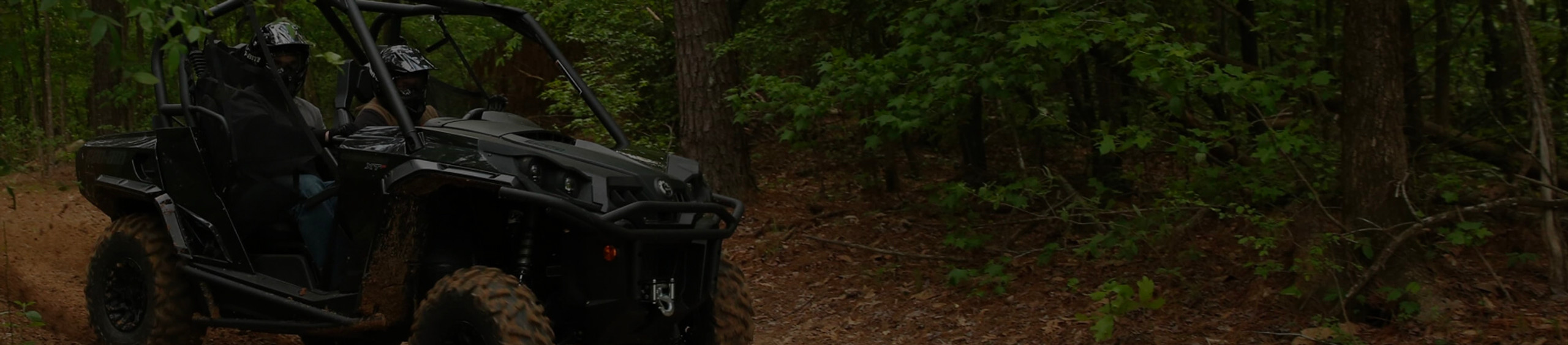
Stock steering systems gradually degrade through use, and modifications accelerate this process dramatically. Rack wear shows up as increasing steering slop. The steering wheel moves without corresponding wheel movement, or wheels wander, requiring constant correction. Internal rack bushings wear, allowing the rack shaft to move within its housing. Tie rod end wear creates similar symptoms—loose, sloppy steering with play at the wheel. Ball joints in tie rod ends wear from constant articulation, dust infiltration, and load cycling.
Symptoms requiring attention include steering play (wheel moves before wheels respond), uneven tire wear (indicating toe alignment issues from worn components), steering binding or roughness (damaged or bent components), and wandering that requires constant correction. Any of these indicates that steering system inspection and likely replacement of worn components is necessary.
It’s not magic, but tougher materials and improved engineering that separate upgraded UTV racks from stock. Hardened internals resist wear better than stock components—hardened rack teeth, upgraded bushings, and stronger housings all contribute to longevity under demanding use.
Lightweight yet durable (aluminum) housings provide a level of rigidity that stock simply can’t match ,while also cutting down on your weight. You can also go with sealed designs, which, when paired with better dust boots, will keep all the contaminants out while locking the lubrication in.
Larger diameters better resist the bending forces larger tires create. Adjustable preload on some premium racks lets you dial out play as components wear, maintaining tight steering feel for the rack's entire life. Stock racks typically have no adjustment—once play develops, replacement is the only fix.
Many tie rod kits include detailed alignment procedures or recommend professional alignment after installation.
Torque specifications on steering components are critical safety items—undertorquing allows components to work loose (potentially catastrophic), overtorquing can strip threads or damage components. Use a torque wrench and follow specs exactly. Thread locker on appropriate fasteners prevents vibration from backing them out over time. Boot condition should be verified—torn boots allow contaminant infiltration that destroys components quickly. Replace damaged boots immediately.
Professional alignment after steering system upgrades is recommended unless you're experienced with alignment procedures and have proper tools. Shops charge $75-150 for alignment, typically. Cheap insurance that your expensive steering upgrades are set up correctly and won't cause premature tire wear or handling problems.
How can I know when its my tie rods vs my full steering rack that needs upgraded?
Diagnosing requires isolating where the play originates. With wheels off the ground, have someone rock the steering wheel back and forth while you watch the steering components. Play visible at tie rod ends (the connection between tie rod and spindle moves) indicates tie rod end wear. Play at the rack itself (the rack shaft moves within the housing before tie rods move) indicates rack wear. Sometimes both are worn. If you can't isolate it, mechanics can diagnose quickly. As a general rule, tie rod ends wear first since they're the most exposed components, but racks eventually wear too, especially on high-mileage or heavily modified machines.
Will upgraded steering components change my machine's handling characteristics?
Heavy-duty racks and tie rods with similar ratios to stock shouldn't dramatically change handling—they eliminate play and provide more precise control, which improves handling. Quick-ratio racks (which turn wheels more per steering wheel rotation) do change feel—steering becomes more responsive, requiring less wheel input for tight turns.
What about just upgrading my tire rods only?
Sure, that’s a thing, but only if your rack is still in great condition.