




loading count
loading pagination
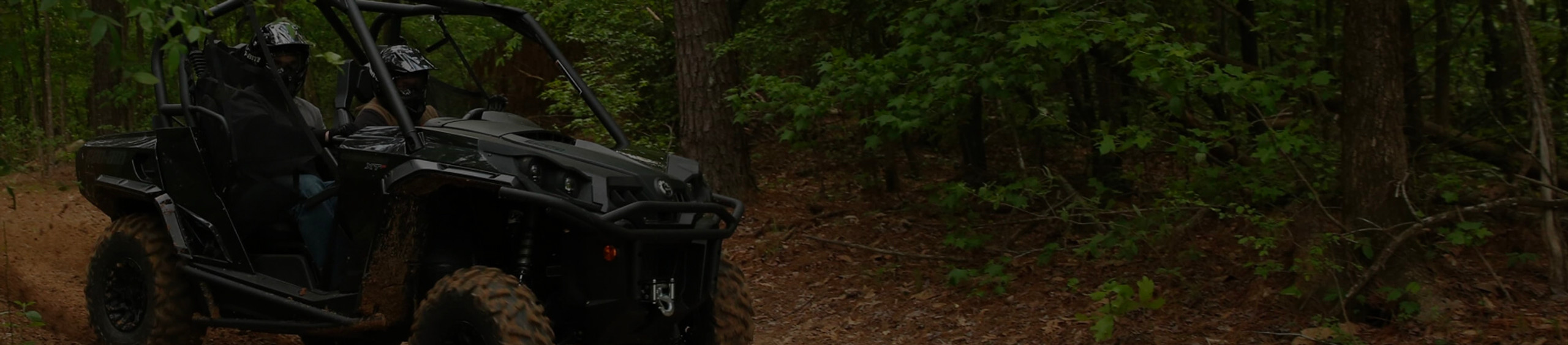
Rain and mud is inevitable, so why not be prepared? Side by Side Source carries windshield wiper solutions from simple manual wiper systems operated by hand to complete wiper and washer kits with fluid reservoirs, all designed specifically for UTV windshield materials including both hard-coated polycarbonate and glass windshields. Whether you need a basic manual wiper clearing occasional rain or mud, a complete wiper and washer system providing both mechanical wiping and fluid washing for stubborn dirt, windshield-specific blade materials compatible with polycarbonate or glass, or model-specific kits integrating cleanly with factory windshields, we've got wiper solutions from the best names in the industry!
UTV wipers are classified in two major groups based on how they’re operated. Manual wipers (hand-operated systems using mechanical linkages translating hand movement to blade movement) are simplest and most affordable. User physically moves handle back and forth, causing blade to sweep across windshield. There are no electrical components to fail, no power draw, simple installation (just mounting bracket and blade assembly), and low cost ($30-80 typically). The main limitation is they require one hand for operation (can't steer and wipe simultaneously), physical effort during extended wiping, and only wipes when actively operated (no continuous wiping during sustained rain).
Electric wiper systems (motorized systems operating continuously when activated) provide hands-free operation. Flip the switch, and the motor drives blade back and forth automatically. The main advantage here, of course, is hands-free operation.
For most UTV riders, manual wipers provide the functionality you need without the energy cost. They work fine for occasional rain or mud clearing. Electric systems justify cost for riders frequently encountering sustained rain, work applications requiring continuous visibility, or those prioritizing convenience over cost.
Wiper blade material must match the windshield material preventing damage. Polycarbonate windshields (most common UTV windshield material) require soft rubber blades specifically designed for polycarbonate. Polycarbonate-safe blades use softer compounds and typically frameless designs preventing hard components from contacting windshields.
Glass windshields can be paired with polycarbonate-safe blades or you can just use standard automotive blades. Hard-coated polycarbonate will still require you to have polycarbonate-safe blades to prevent scratching.
Always double-check your compatibility. Using the wrong blade type damages expensive windshields requiring replacement. Think $150-400+ for quality windshields versus $20-50 for proper blades makes this an easy decision.
Bracket-mounted side-by-side wipers are usually mounted onto the frame of your windshield. Other possible mounting locations include the roof or a body panel.
Standard UTV wiper arms, like automotive-style, use springs to keep the blades on your windshield. Flexible arms or soft-backed blades conform to windshield curvature providing consistent contact across sweep area. The wiper should clear the driver's primary sightline. A wiper clearing only passenger side or missing critical viewing areas is useless regardless of quality.
Finally, longer blades cover more area but require more effort (manual systems) or power (electric systems). Blades typically run from twelve to eighteen inches long.
Can a UTV wiper scratch polycarb?
Proper polycarbonate-safe blades won't scratch when used correctly—they use soft rubber compounds and designs specifically preventing damage.
What’s the replacement schedule on UTV wipers?
This depends on how often you use them, how and where they’re stored, and some other factors. To provide a general range, most wipers should be replaced every one to two years if used casually or six to twelve months when used more consistently.
Are there any windshields that don’t work with UTV wipers?
Most full windshields are going to be compatible, but frameless windshields may not play well with UTV wipers. Always check compatibility before you buy.