




loading count
loading pagination
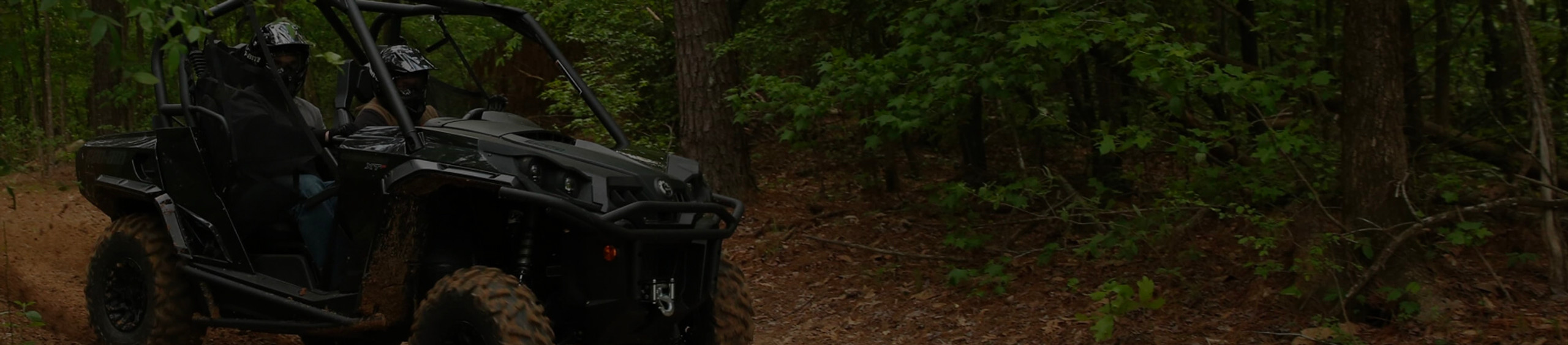
If you’ve never shopped side-by-side (or automotive) aftermarket seats before, you may actually be surprised at the sheer number of options available to you.
Suspension UTV seats have their own nifty little built-in suspension systems that soften every impact for individual passengers sitting in them. This is a big deal for rough riding and/or longer rides, as well as for people who have back issues or related problems.
Racing bucket seats are more aggressive, using tough side supports to keep you in your spot through all the hard shocks and stresses of racing-caliber performance. This includes hard cornering and even collisions.
Bench seats will fit two or even three people onto a single seat. They’re a popular choice for work machines that aren’t traveling too quickly. If you need to get your helpers around efficiently, a bench seat is always a good option.
Finally, rear jump seats are fold-down options that can be installed temporarily and boost your passenger capacity. They’re a great option for family rides.
If you’re dealing with back pain or simply want to cut down on that fatigue feeling after long rides, we highly recommend suspension seats for your side-by-side. Some seats use rubber (called “elastomeric suspension”) to compress under stress and release as a way of absorbing all those shocks and stresses. These polymers just do their thing without any regular maintenance required, and perform very consistently. On the other hand, mechanical suspension (using springs and dampers, for example) can be tuned or adjusted, but obviously requires more attention.
Travel amount affects impact absorption. Seats with 2 inches of travel help modestly, while 3-4 inch travel seats provide dramatic improvement. Suspension geometry (how the seat moves relative to mounting points) affects whether motion is purely vertical or includes some fore-aft movement. Pure vertical is typically preferred.
Aftermarket seats must mount securely to your machine, and compatibility isn't always straightforward. Direct bolt-in seats use stock mounting points without modification, providing the easiest installation. They're model-specific, so, seats designed for RZRs won't fit Rangers without adapters. Universal mounting seats include adapter brackets or sliders that work across multiple machines, providing flexibility but typically requiring more installation time. Seat sliders (fore-aft adjustment) let different-sized drivers position seats optimally, crucial for machines with multiple drivers.
Harness compatibility matters if you're running aftermarket harnesses. Seats need proper pass-throughs or mounting provisions for harness routing. Some racing seats include integrated harness mounting, which is the cleanest solution. Height and position changes from aftermarket seats affect sightlines, control reach, and headroom. Taller suspension seats might put tall drivers' heads closer to the roll bars. Lower racing seats might make shorter drivers struggle to see or reach controls. Verify dimensional changes work for your specific situation.
Do suspension seats really help?
Yes indeed, but you’ll feel the difference on some terrains more than others, as well as the length of your ride.
Will aftermarket seats interfere with my harness/belts?
This depends largely on both the seat and your harness setup. Some bolt-in seats will comply with harnesses while others won’t, so make sure to check the specs on each.