




loading count
loading pagination
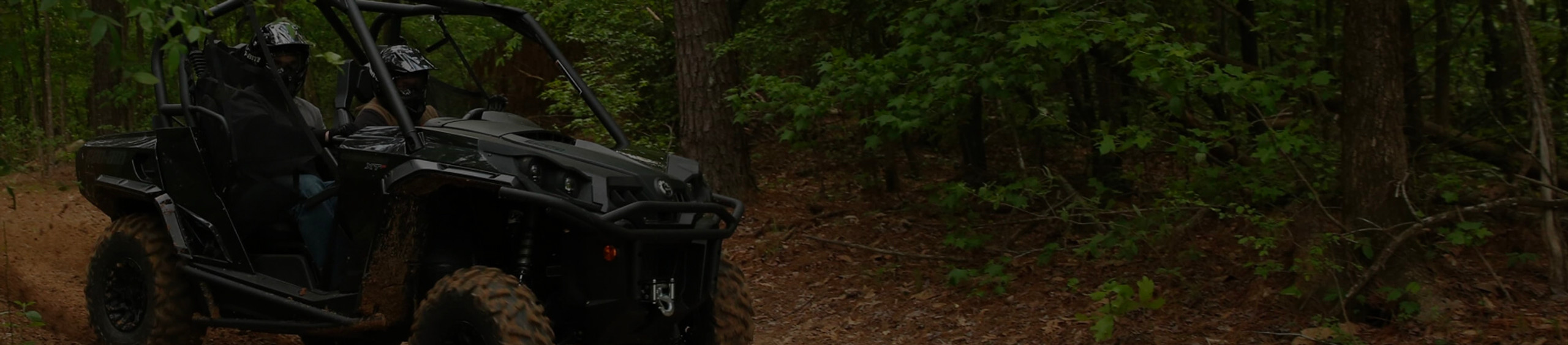
Ball joints wear out due to several factors that make them particularly vulnerable when installed in UTVs. The constant suspension articulation over unforgiving terrain, dust and dirt infiltration, and heavy cargo loads pose a serious threat to the longevity of your side-by-side ball joints. As for warning signs to watch for, they’re pretty obvious once you get them down: clunky sounds (especially when going over bumps), too much play when wiggling the tire up and down, uneven tire wear, and weird-feeling steering that requires constant correction.
We understand the temptation to “just ignore it” or to put it off, but trust us, a $150 ball joint kit is cheap insurance compared to the $800+ you'll spend fixing the carnage when one separates completely during a ride. For work UTVs where downtime directly impacts productivity, regular ball joint inspection and replacement at the first sign of wear is simply smart fleet management.
Sealed ball joints (like most factory units) come pre-lubricated from the factory with the grease sealed inside; there's no maintenance required or possible. As soon as the joint wears out, boom: replace it. Doesn’t get much more straightforward than that! These are great for casual riders who typically hang out in clean conditions. The problem is, once dust eeks past the seals, it’s in there for good.
Greasable ball joints, on the other hand, come with special fittings that allow you to add fresh grease. This helps to flush out all the little particulates before they can wreak havoc in there, which is a major win. Many aggressive riders and commercial operators report getting 2-3 times the lifespan from greasable ball joints compared to sealed designs, simply because they can perform this preventive maintenance.
Stock ball joints are engineered for stock tire sizes, stock suspension geometry, and moderate use. Install a lift kit and 32-inch tires, and you've fundamentally changed the forces those ball joints experience. Point being, when you’ve thrown on some beefier tires, you change the suspension angles to an extent that standard ball joints aren’t quite prepared for. That’s where heavy-duty ball joints come in with chunkier diameters, stronger materials and seals that won’t quit. Some manufacturers like Kryptonite and HCR Racing offer ball joints rated for portal gear lifts and the most extreme builds, with load capacities double or triple what stock joints can handle.
Work-focused riders should prioritize durability and serviceability over ultimate strength. A greasable ball joint that can be maintained regularly will outlast even the strongest sealed joint in commercial applications where the machine operates 8+ hours daily in dirty conditions. Look for designs with heavy-duty boots and metal housings that protect the grease fitting from damage during brush contact or impacts.
How often should I grease my ball joints if I have greasable ones?
Thankfully, the service interval is pretty forgiving here, but still not one that you want to forget! For most folks, greasing your ball joints every 25 and 50 hours of ride time should be enough. If you’re in really extreme conditions, though, it’s never a bad idea to grease your ball joints after a tough ride.
Is it cool if I just replace one ball joint at a time?
Technically, you can replace just one ball joint, but it is highly advised that you at least replace in pairs to make sure you don’t have an uneven wear issue.
Do I have to worry about handling or ride quality with heavy-duty ball joints?
Not when you’re working with quality! You may notice the steering is slightly stiffer, but that should be it.