




loading count
loading pagination
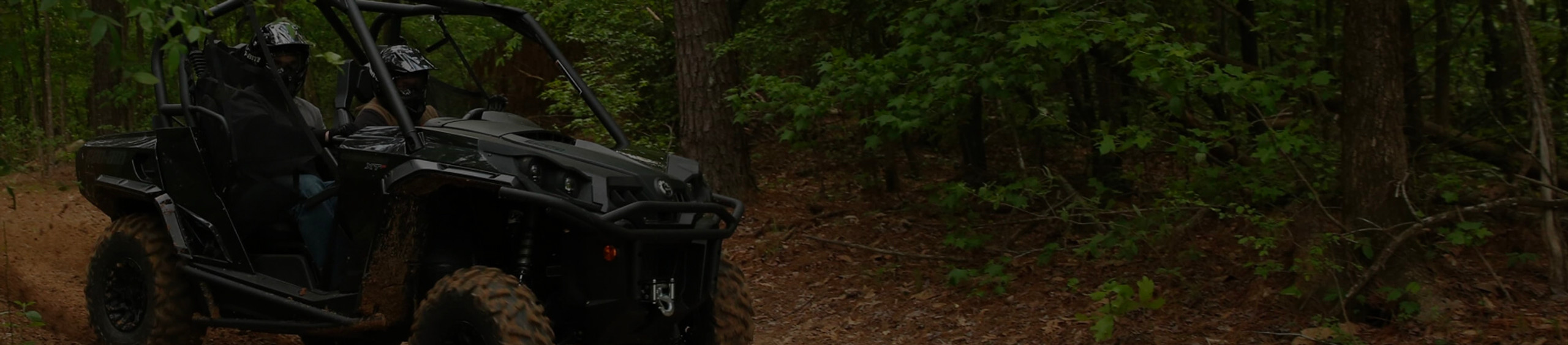
Feeling a bit floored by all the terms? It doesn’t help that different manufacturers tend to throw around their own lingo. Let’s break it down for simplicity’s sake.
Fender flares extend your existing fenders outward and downward, adding several inches of coverage beyond stock. They're typically rigid plastic or composite construction that bolts or clips onto your existing fender structure. Good fender flares follow your tire's arc and extend low enough to actually redirect spray rather than just deflecting it slightly. They also provide some protection against rock chips and branch strikes on your bodywork.
Mud flaps are exactly what they sound like: flexible rubber or heavy vinyl panels that hang behind your tires to catch rooster tails before they spray everything behind you. They work great for keeping your bed clean and protecting following riders, but they don't do much for keeping your cab clean since most spray comes off the front and side of your tires.
“Systems” combine fender extensions, panels, footwell shields and/or other pieces to give you as much protection as possible in one purchase. These are what you want if you frequently ride in serious mud or water crossings where half-measures just leave you slightly less soaked. They're more expensive and more involved to install, but the difference in how clean you and your cab stay is dramatic.
Skip the thinner polyethylene flares. You might save some on the front end, but it will cost you more in the end after they crack and warp within months (or sooner).
If you really want to be protected from mud, rocks and other meddling debris, you’ll want high-density polyethylene (or polypropylene) hardware. These more robust and often UV-resistant options are much more capable of holding up under pressure without rattling or vibrating. Quality flares in this category typically cost $200-400 for a set but last for years, even with hard use. Look for flares with reinforced mounting areas and smooth edges. Cheap flares often crack right at the mounting holes or develop sharp edges that'll cut you when you're working around them.
Rubber mud flaps need to be thick and reinforced. We're talking 1/4" thick or more for serious durability. Thin rubber tears easily when you drive over branches or back into stuff. Quality mud flaps use marine-grade rubber or heavy-duty recycled tire material that's basically indestructible. You also want to make sure that your mounting hardware, as quality gear (stainless steel bolts and backing plates) can make the difference between annoying vibration and a smooth ride.
Model-specific flares engineered for your exact UTV model deliver the best fit and appearance. They are made to contour right along with your factory fender lines. Universal fits, on the other hand, tend to come with a whole set of issues.
Clearance is also an important thing to keep in mind when you’re shopping for aftermarket UTV fender flares. If you spend a lot of time on tighter terrain, make sure that your flares won’t make you too wide. Most of the leading side-by-side mud flare brands will list the overall width (with flares installed) for you.
Will installing UTV fender flares mess with my suspension travel?
A quality set of flares shouldn’t, since they’ll have enough clearance for full compression and droop. With oversized tires, though, this is a different story.
What if I already have aftermarket UTV doors?
Most newer fender flare kits are made to work around doors (whether stock or aftermarket), but compatibility issues aren’t completely unheard of in this department. Check specs!
Aren’t these just for cosmetic effect?
Whoever makes this claim clearly doesn’t ride in mud or really dusty conditions! A quality set of UTV flares can cut down on this debris by a massive amount, keeping both you and your machine cleaner.