




loading count
loading pagination
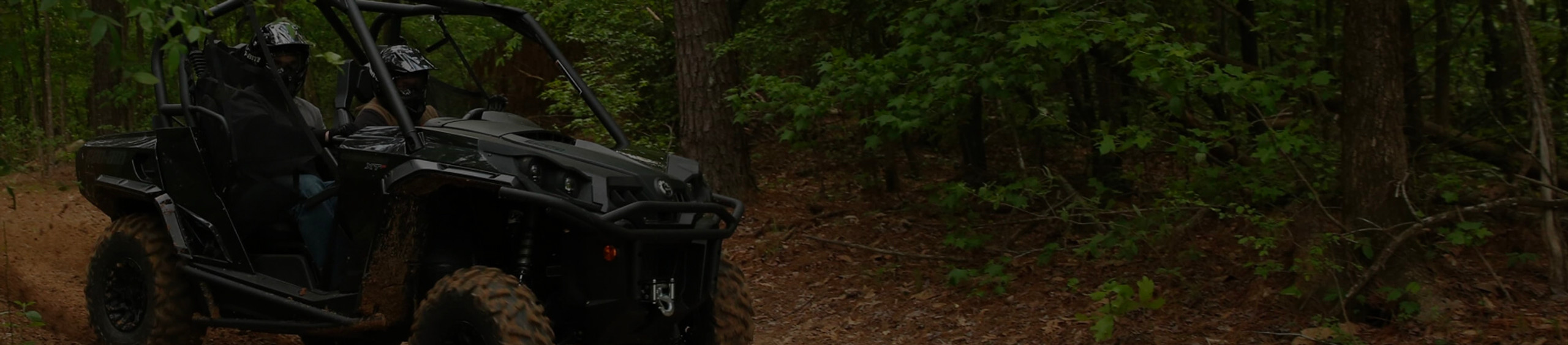
An ABC-rated fire extinguisher will cover basically all fire scenarios you'll encounter on a UTV, making it the smart default choice. BC-rated extinguishers skip Class A capability and focus on fuel and electrical fires. They work fine for vehicle fires, but won't help if dry grass or cargo catches fire.
Size matters: those tiny 1-pound extinguishers you see at auto parts stores are basically useless for anything more than a paper fire. You want at least a 2.5-pound unit, and 5 pounds is even better if you have space. The discharge time on a 2.5-pound extinguisher is maybe 10-12 seconds, which sounds like a lot until you're actually using it and realizing how fast that goes. Finally, mounting is a really, really big deal. The last thing you want is an extinguisher that will roll around under your bed or get lost under a seat.
As with most accessories, going pre-made vs getting a custom-built UTV fire extinguisher comes with unique benefits and drawbacks that you’ll have to weigh for your own situation. A pre-made side-by-side first aid kit will at least keep you covered in terms of the bare necessities, but on the other hand, they often come with equipment you’ll never need to use.
If you do decide to build your own UTV first aid and medical kit, you now have the luxury of adding whatever you want to it in a way that better reflects your average riding experience. For example, with desert riding, you can opt to include emergency electrolyte packets and, cooling aids and other items that will prepare you for the hot and dry weather.
Of course, there’s no law against buying a pre-made UTV first aid kit and adding whatever you want to it. As long as it’s a quality brand, you win.
As important as a fire and first aid kit is for your machine, it’s important that you don’t simply set one up and that you put the issue of safety out of your mind entirely. No, maintaining safety is a comprehensive effort that requires a number of different systems to be in place. For example, you will want to have the ability to communicate with people immediately in the event of an accident.
You also definitely do not want to sleep on recovery gear like winches, ropes, etc. Between these clutch items and protective gear (harnesses, helmets, etc.), you’ve got a much more complete safety setup that will adapt to all the curveballs that come your way.
What’s the standard frequency on replacing these UTV fire extinguishers?
Your extinguisher should come with a pressure gauge. If it’s in the green, you should be fine. Once five years go by, it’s still important to have it inspected (even if it’s in the green).
Do I need first aid training to use the supplies in my UTV fire and medical rescue kit?
It most certainly helps to have basic first aid and CPR certification through trusted organizations like the Red Cross. You can also learn some really important skills in a wilderness first aid course.
Where is the best mounting location for my fire extinguisher?
A good rule of thumb is to keep the extinguisher within arm’s reach while the driver is buckled in. Preferably, that arm is your dominant arm. For most UTV folks, this allows for multiple locations, including the driver’s side door, roll bar, or between the seats.