



Honda Pioneer
The Honda Pioneer lineup delivers that classic Honda combination of bulletproof reliability and genuine capability that makes these machines the go-to choice for people who actually depend on their UTVs working every single day. These aren't flashy show-offs - they're honest work machines that handle serious jobs while staying comfortable enough for family duty when the work day ends.

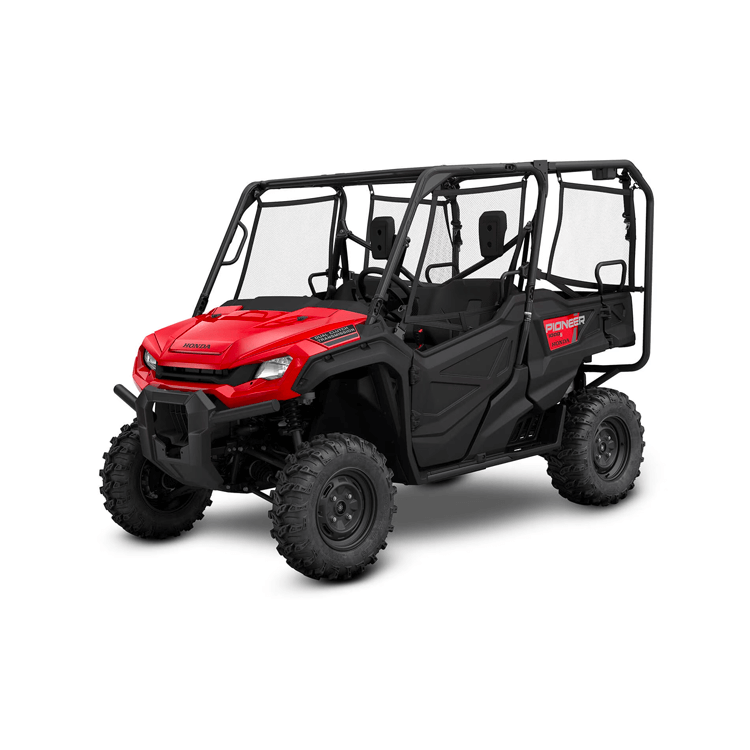

Introducing the Honda Pioneer: Reliability You Can Count On
Power That Works Instead of Just Impressing
Pioneer models rock Honda's proven engine technology that prioritizes long-term reliability over peak power numbers that look good in advertisements but don't mean much when you're actually working. For starters (pun intended), you’ve got effortlessly smooth power delivery that keeps the same level of performance whether you're loaded down and climbing hills or simply tooling around, and better still, without a ton of maintenance complexity.
The automatic transmission is so smooth, it can almost be boring at times. No more jerky wrestling with the shifter. That, and construction crews are especially fond of the powertrain reliability that keeps machines working instead of sitting in repair shops right in the peak of busy season.
Built to Handle Daily Abuse
Pioneer chassis construction uses Honda's typical over-engineering approach, with mounting points and structural components that handle constant loading without developing the stress cracks that kill lesser machines. The suspension balances load-carrying capability with operator comfort, providing enough compliance to keep people comfortable during long days while maintaining stability for safe operation with heavy cargo.
Unsurprising to anyone who knows Honda, they have over-engineered the heck out of the chassis in a good way. The mounting points and structural beefiness are more than enough to handle serious loading under stress levels that would make other rigs tap out. Not to mention, the suspension makes hauling so much smoother. Ranch operations depend on Pioneers for everything from fence repair to cattle management because they handle the kind of abuse that destroys recreational machines. The combination of durability and comfort makes these machines practical for operations that need reliable service rather than impressive specifications.
Cargo and Towing That Actually Makes Sense
The Pioneer 1000 provides more than enough cargo capacity and towing capability to take on serious work while still not being too chonky to fit where you need it to (e.g., gates and tight switchbacks, etc.). The design of the bed is also very function-forward, with plenty of tie-down points and dimensions that make sense for actual utility work rather than just looking impressive in photos. The towing capability handles equipment trailers and implements that allow single machines to accomplish tasks that would otherwise require multiple trips or bigger equipment.
Popular Pioneer Models
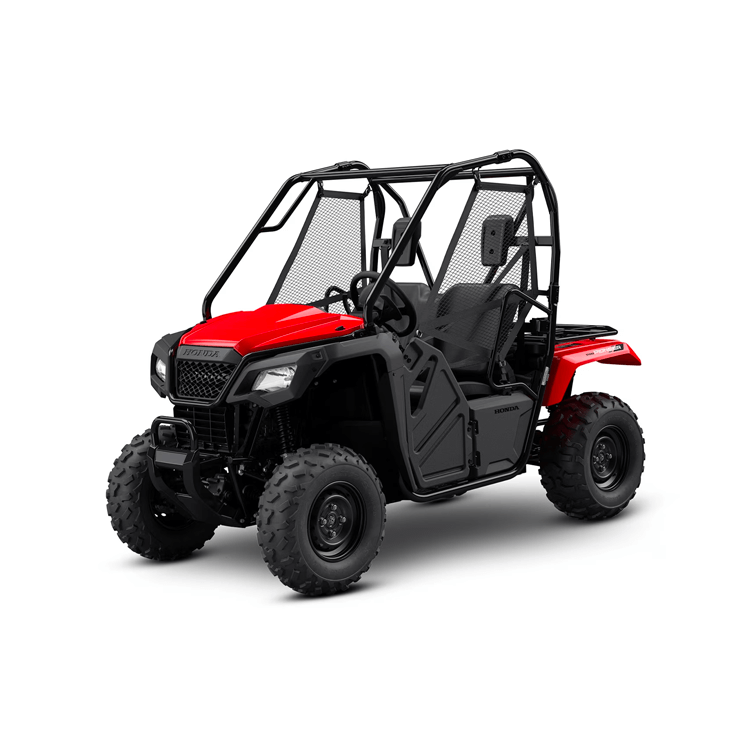
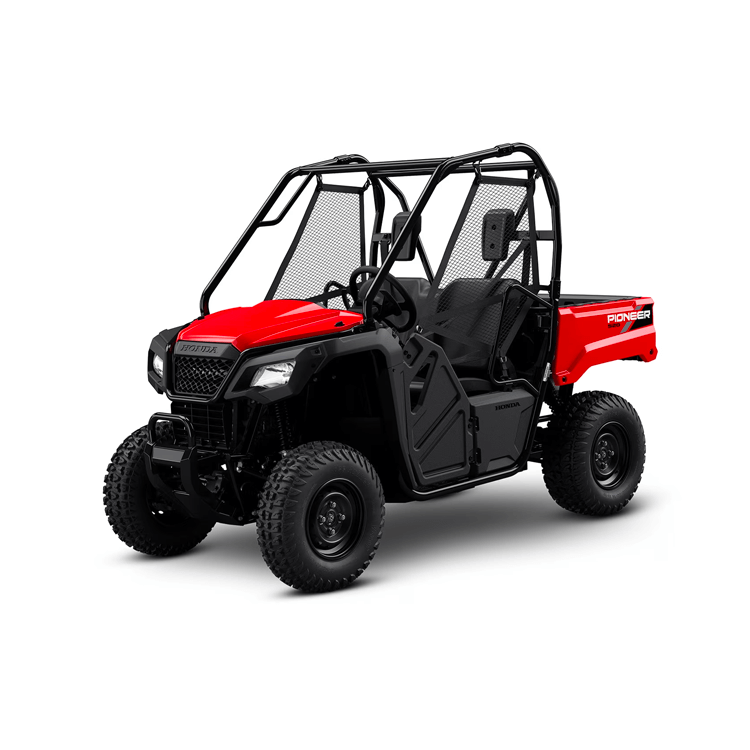
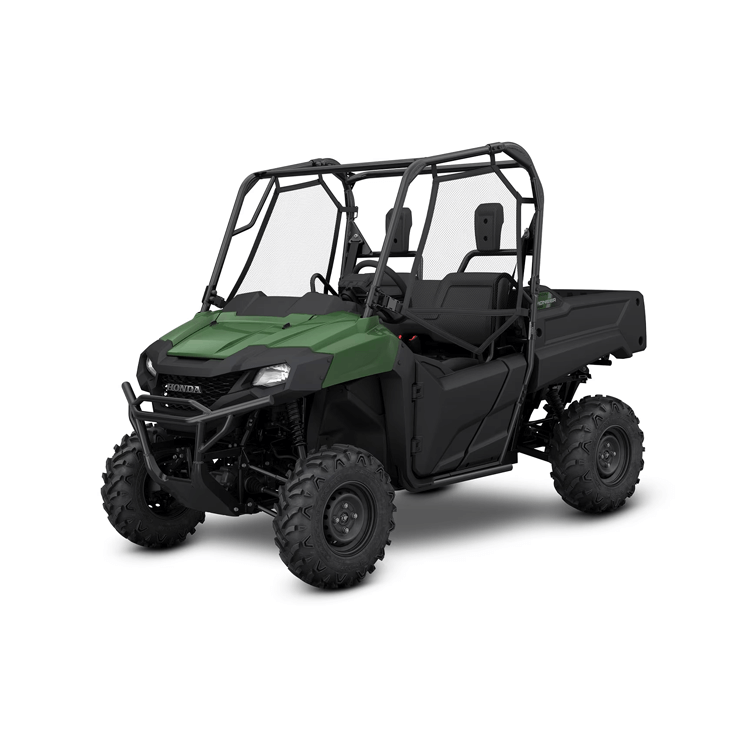
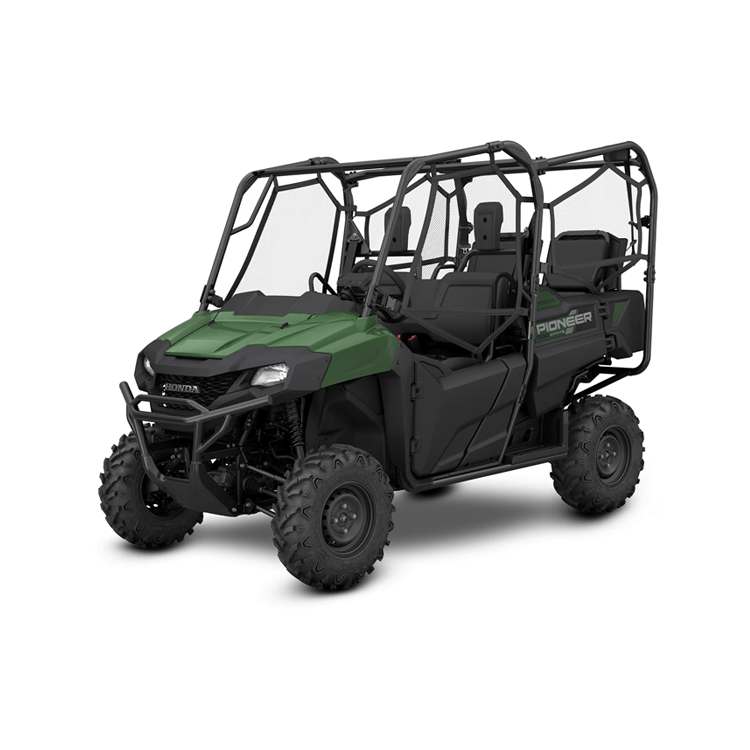
The Pioneer 1000 dominates sales for operations that need maximum capability with three-person seating that accommodates crew transport along with cargo hauling. The 700 gives smaller outfits really good power and bang for their buck, while also avoiding the bulkiness that can sometimes get in the way when you’re in tight quarters. Finally, going all the way down to the 500 will keep your basic utility needs covered for cheaper when you don’t need crazy towing or hauling power.
Honda Pioneer FAQs
Do people really use Pioneers for daily work?
Pioneers handle commercial use better than most alternatives, with many operations putting thousands of hours on these machines with minimal problems beyond regular maintenance. That’s a yes!
Will the Pioneer feel weird if I’m coming from a sporty UTV?
It may not be a sport-tuned machine, but you’ll still get that smoothness and control you’ve grown used to, now with a greater work capacity.
What makes Pioneers worth the price?
Pioneer build quality and component durability typically provide lower total cost of ownership despite higher purchase prices, through reduced maintenance costs and longer service life. The reliability advantage becomes most obvious during heavy use where cheaper machines require frequent repairs while Pioneers keep working, making the initial investment worthwhile for users who depend on their machines rather than just using them occasionally.