




loading count
loading pagination
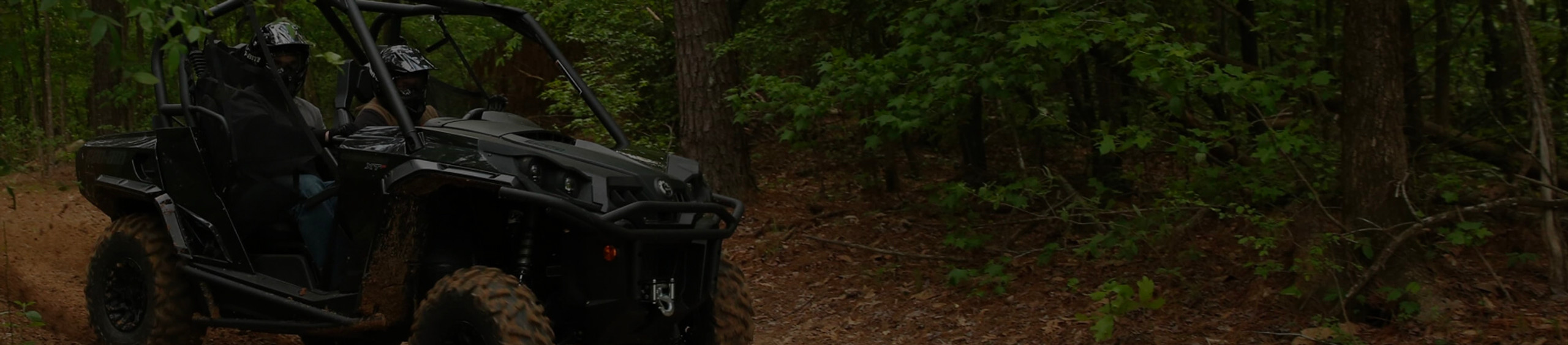
Starting with a full UTV skid plate set, these are ideal for extreme rock crawling or technical terrain where any undercarriage impact is possible. The trade-off is weight (complete systems add 80-150+ pounds), cost ($800-2000+), and ground clearance reduction if plates hang lower than stock components. They're overkill for many riders but essential for serious rock crawling.
Front skid plates protect the engine, oil pan, and front differential, which are some of the most vulnerable and expensive components. They're a minimum essential protection for any serious off-road riding. Stock skid plates (if equipped) typically use thin plastic or minimal coverage. Aftermarket plates use thicker materials and more comprehensive coverage.
CV boot guards do just what the name claims: they protect those valuable rubber boots that cover your CV joints from tears and punctures. These simple guards pay for themselves ten times over in repair cost savings, trust us. Rear differential skid plates protect the rear diff from rock strikes. Frame rail protection prevents damage to frame members during slides across rocks or obstacles.
You can’t talk about aftermarket UTV skid plate material without covering UHMW, or ultra-high molecular weight polyethylene. This is an incredibly strong plastic that just glides right over rocks like a cloud. UHMW is self-lubricating, light, and can absorb direct impacts with the best of them.
Aluminum skid plates are the preferred choice of folks who want maximum strength at a very light weight. They’re much lighter than steel and still resist rusting while taking hard impacts. Bent aluminum plates can often be hammered back into rough shape. They're the middle ground between UHMW's light weight and steel's maximum protection.
Steel skid plates (typically 3/16"-1/4" thick) provide maximum impact resistance. They handle repeated severe hits without failure. They're the heaviest option (full steel skid plate systems can add 100+ pounds) and will rust if the coating is damaged, requiring periodic maintenance. They make sense for serious rock crawling or work environments with extreme abuse.
Frame-mounted plates bolt directly to frame rails or other well-anchored areas, allowing them to distribute loads through these stronger components and effectively minimize damage. Flush-mounted designs sit tight against the underbody, maintaining maximum ground clearance while providing protection.
Drain ports are a must in skid plates. Without drain holes, skid plates become mud collectors that add weight and potentially trap corrosive materials against components. Modular systems (multiple pieces that bolt together) allow replacing damaged sections without replacing entire systems. They also simplify installation since smaller pieces are easier to maneuver into position.
Access panels or removable sections over oil drain plugs, filters, or other service points prevent the need to remove entire skid plates for routine maintenance. Without these, every oil change requires removing skids, which is annoying enough that many riders skip skid plate installation entirely. Quality designs include proper access without compromising protection.
Will adding skid plates significantly reduce my ground clearance?
This depends entirely on skid plate design and mounting. Premium plate sets that sit flush to the body and fit well will take away a very minimal amount of clearance, while universal or poorly designed plates can take a much bigger chunk of clearance out.
How can I know how much protection I need?
Minimal protection needed: groomed trails, farm/ranch work on improved terrain, casual riding where rock contact is rare (maybe just front skid plate and CV boot guards). Moderate protection: trail riding with frequent rock gardens, moderate technical terrain, occasional rock crawling. In these cases, add A-arm guards and comprehensive front coverage. Maximum protection: serious rock crawling, racing in rocky terrain, extreme technical riding, when full underbody coverage justified.
Will I need pro help?
Not if you have decent mechanical know-how and the right tools!