





loading count
loading pagination
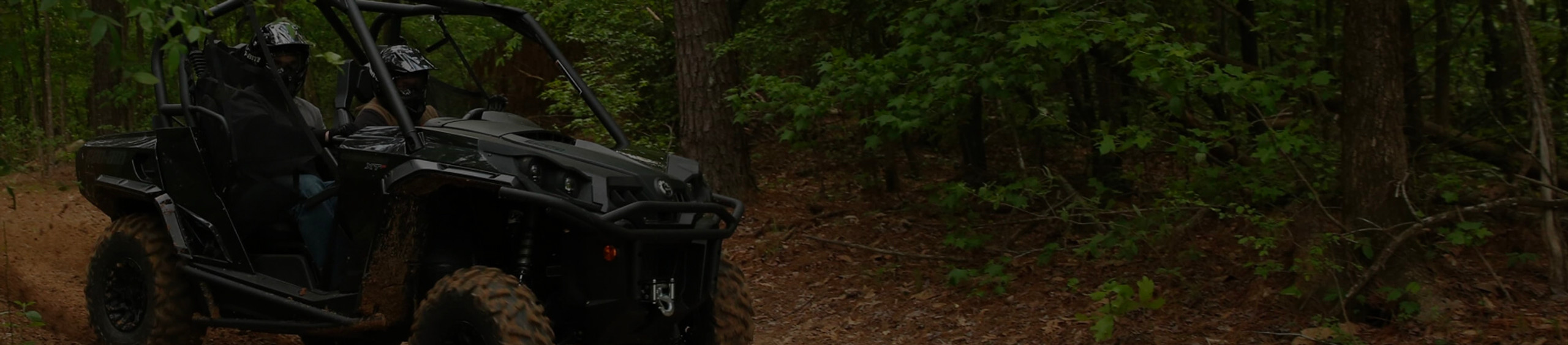
Upper side-by-side visors (mounting above the windshield top or to roof structures) block sunlight coming in from an overhead angle. They’re most effective during midday when the sun is high. They extend forward from mounting points, creating shade over the driver's field of view. Adjustment or positioning of quality upper visors allows angling to block the sun at different heights. In other words, no more sweating those longer rides!
Lower visors typically mount to your windshield frame below the windshield top, extending upward into your field of view and blocking the sun coming from low angles. They're less common than upper visors but address situations where the sun shines under upper visor coverage or when machines don't have upper mounting locations. Combination use: some riders install both upper and lower visors for comprehensive sun protection throughout the day.
Starting with tinted polycarbonate (same material as quality windshields but with smoke, bronze, or colored tinting), this hardy option reduces light transmission by 30-70% depending on tint darkness. It blocks sun glare while allowing visibility through visor
Clear polycarbonate visors, on the other hand, won’t reduce glare through tinting but provide physical sun blocking. They work by positioning solid material between the sun and your eyes. They're less expensive than tinted alternatives and maintain better visibility in low-light conditions (early morning, dusk, overcast days). Opaque materials (solid plastics or metals) completely block the sun and all visibility through the visor area. They're simplest and least expensive but create blind spots.
You’re typically going to come across the following UTV visor mounting (and adjustability) setups:
Will a visor affect my visibility or create blind spots?
Obstructing your vision is largely the point, but no visor should be positioned in such a way that you can’t see other vehicles or hazards in your path. Going with tinted polycarbonate can give you the glare protection you need without the obstruction.
Can I use a UTV visor in low light?
This depends on the type of visor you’re running with. A tinted one should generally work fine, but dark tints might be too dark for dawn and suck conditions. Clear or opaque visors don’t interfere with light coming across, so your experience shouldn’t be affected.
What about cleaning these things?
Usually (always defer to instructions), it’s as simple as rinsing with water and using mild soap. Make sure to avoid those scratchy towels.
Upper side-by-side visors (mounting above the windshield top or to roof structures) block sunlight coming in from an overhead angle. They’re most effective during midday when the sun is high. They extend forward from mounting points, creating shade over the driver's field of view. Adjustment or positioning of quality upper visors allows angling to block the sun at different heights. In other words, no more sweating those longer rides!
Lower visors typically mount to your windshield frame below the windshield top, extending upward into your field of view and blocking the sun coming from low angles. They're less common than upper visors but address situations where the sun shines under upper visor coverage or when machines don't have upper mounting locations. Combination use: some riders install both upper and lower visors for comprehensive sun protection throughout the day.
Starting with tinted polycarbonate (same material as quality windshields but with smoke, bronze, or colored tinting), this hardy option reduces light transmission by 30-70% depending on tint darkness. It blocks sun glare while allowing visibility through visor
Clear polycarbonate visors, on the other hand, won’t reduce glare through tinting but provide physical sun blocking. They work by positioning solid material between the sun and your eyes. They're less expensive than tinted alternatives and maintain better visibility in low-light conditions (early morning, dusk, overcast days). Opaque materials (solid plastics or metals) completely block the sun and all visibility through the visor area. They're simplest and least expensive but create blind spots.
You’re typically going to come across the following UTV visor mounting (and adjustability) setups:
Will a visor affect my visibility or create blind spots?
Obstructing your vision is largely the point, but no visor should be positioned in such a way that you can’t see other vehicles or hazards in your path. Going with tinted polycarbonate can give you the glare protection you need without the obstruction.
Can I use a UTV visor in low light?
This depends on the type of visor you’re running with. A tinted one should generally work fine, but dark tints might be too dark for dawn and suck conditions. Clear or opaque visors don’t interfere with light coming across, so your experience shouldn’t be affected.
What about cleaning these things?
Usually (always defer to instructions), it’s as simple as rinsing with water and using mild soap. Make sure to avoid those scratchy towels.