


Yamaha Viking
The Yamaha Viking sets the standard for what utility UTVs should accomplish when reliability matters more than flashy features, delivering genuine work capability backed by Yamaha's legendary dependability that keeps machines running instead of sitting in repair shops. This machine proves that utility vehicles don't have to be boring or uncomfortable to be seriously capable and absolutely reliable.
Shop By Model

Introducing the Yamaha Viking: Reliability You Can Actually Count On
Power That Simply Does Its Job
The Viking rocks Yamaha's proven engine technology that prioritizes long-term reliability and consistent performance over peak power numbers that look good in advertisements but don't mean much when you're actually working. Like a longship stealthily sidling up the coast, the Viking delivers impeccably smooth and consistent power that keeps up under whatever conditions, whether that’s loading it up on day one or hauling heavy equipment after a hard week of work.
Farmers know they can count on the Viking’s raw strength for daily feed runs, hauling and unloading equipment, taking care of livestock and whatever else they need because it has all the oomph you want without any of the hassles. The same goes for construction crews, who know that the engine is going to start and work in any weather without giving them the kind of trouble that harpoons a project.
Built for Abuse and Then Some
It should be of little surprise to anyone who follows Yamaha’s success that the Viking is a bit, shall we say, over-engineered. This couldn’t be truer than in the case of that tank-like chassis, which is made with the kind of reinforcements and components you would only expect to find on a warship. It’s a bit overkill, yes, but when your work is overkill, you need to rise to the demand, preventing the stress cracks and failures that have seen the downfall of so many otherwise glorious machines. The combination of strength and comfort makes Vikings practical for operations that need dependable daily service rather than just occasional use.
Cargo and Towing That You’ll Be Glad You Have
The Viking provides cargo capacity and towing capability that handle genuine workloads while maintaining practical dimensions that navigate job sites and farm operations without requiring special accommodations. The cargo bed design focuses on actual utility with tie-down points and dimensions that make sense for real work rather than just looking impressive in photos.
Ranch operations use Vikings to haul feed, equipment, and supplies across terrain that would stop trucks while maintaining the reliability that prevents delays during critical operations. Municipal crews appreciate towing capability that handles equipment trailers and implements while providing the dependability that keeps public services running smoothly.
Popular Viking Models
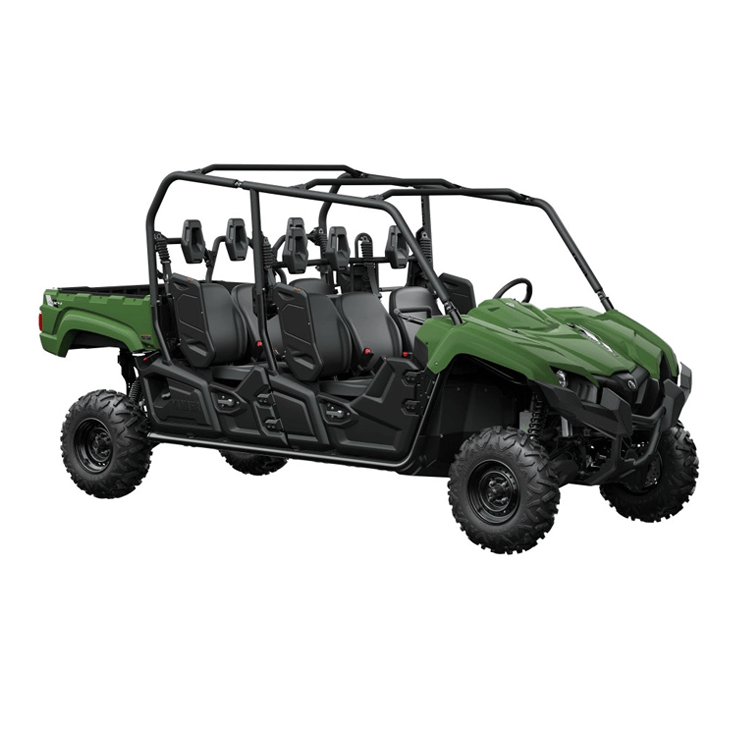
The Viking VI provides a whole mess of seating (up to six people!) AND maintains generous cargo capacity at the same time, making it a perfect pick for outfits that need to bring both bodies and cargo without compromise. The standard Viking still brings plenty of cargo capacity for hauling-heavy work situations. Both vehicles are known for their serious durability.
Yamaha Viking FAQs
Can the Viking handle serious commercial use without constant maintenance issues?
It most definitely can. When well-maintained, your Viking will give you thousands of work hours!
How does Viking utility capability compare to dedicated work trucks?
For work that doesn't require highway travel or enclosed cargo protection, Vikings often outperform trucks through better access, lower ground pressure, and superior maneuverability while providing comparable cargo and towing capacity. Trucks maintain advantages for highway travel and weather protection, but Vikings excel where access and versatility matter more than maximum comfort.
What makes the Viking worth the investment compared to cheaper utility alternatives?
Viking build quality and reliability typically provide better total cost of ownership despite higher purchase prices, through reduced maintenance costs and longer service life that offset initial investment. The reliability advantage becomes most obvious during heavy use where cheaper machines require frequent repairs while Vikings keep working, making them practical choices for operations that depend on consistent equipment performance.